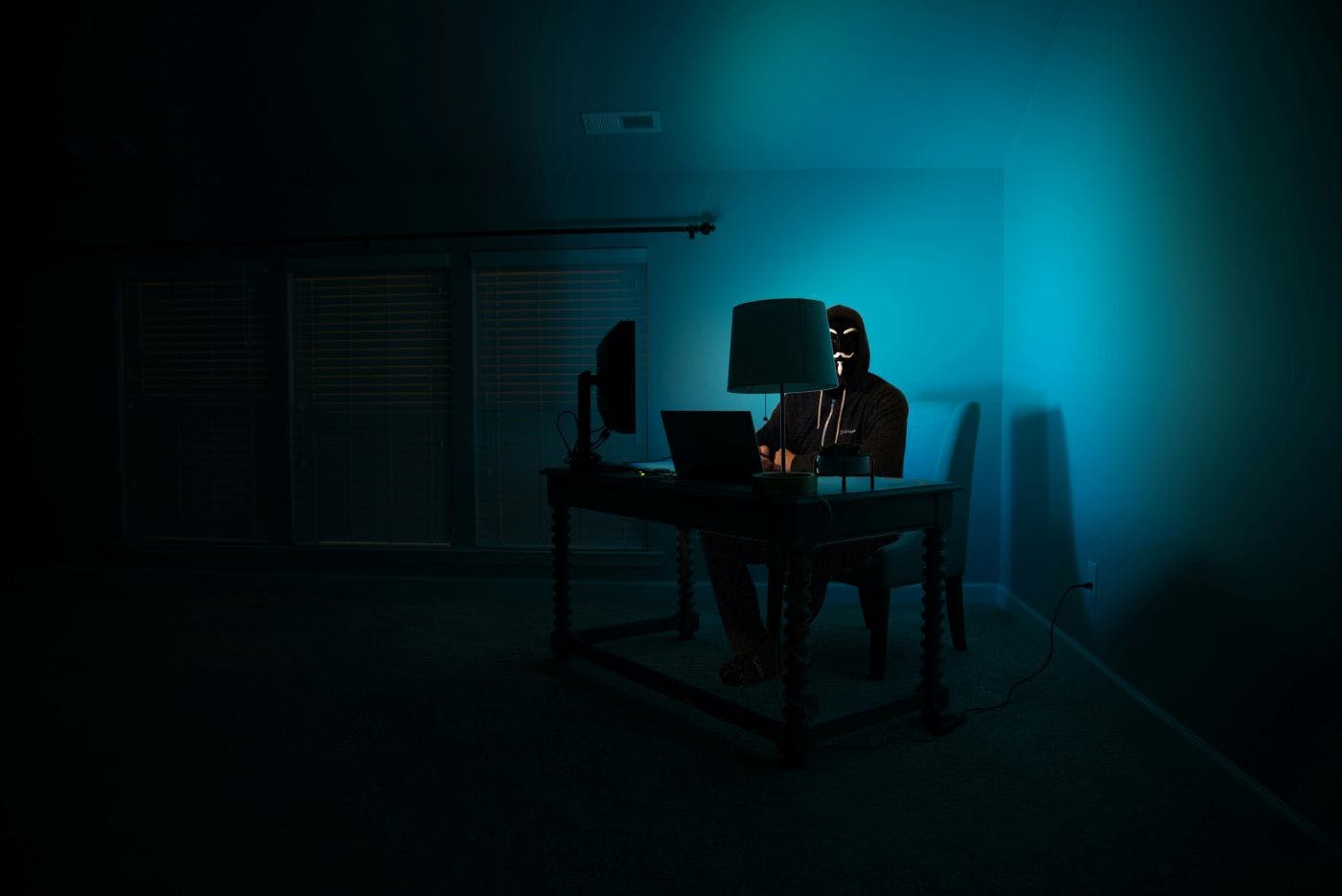
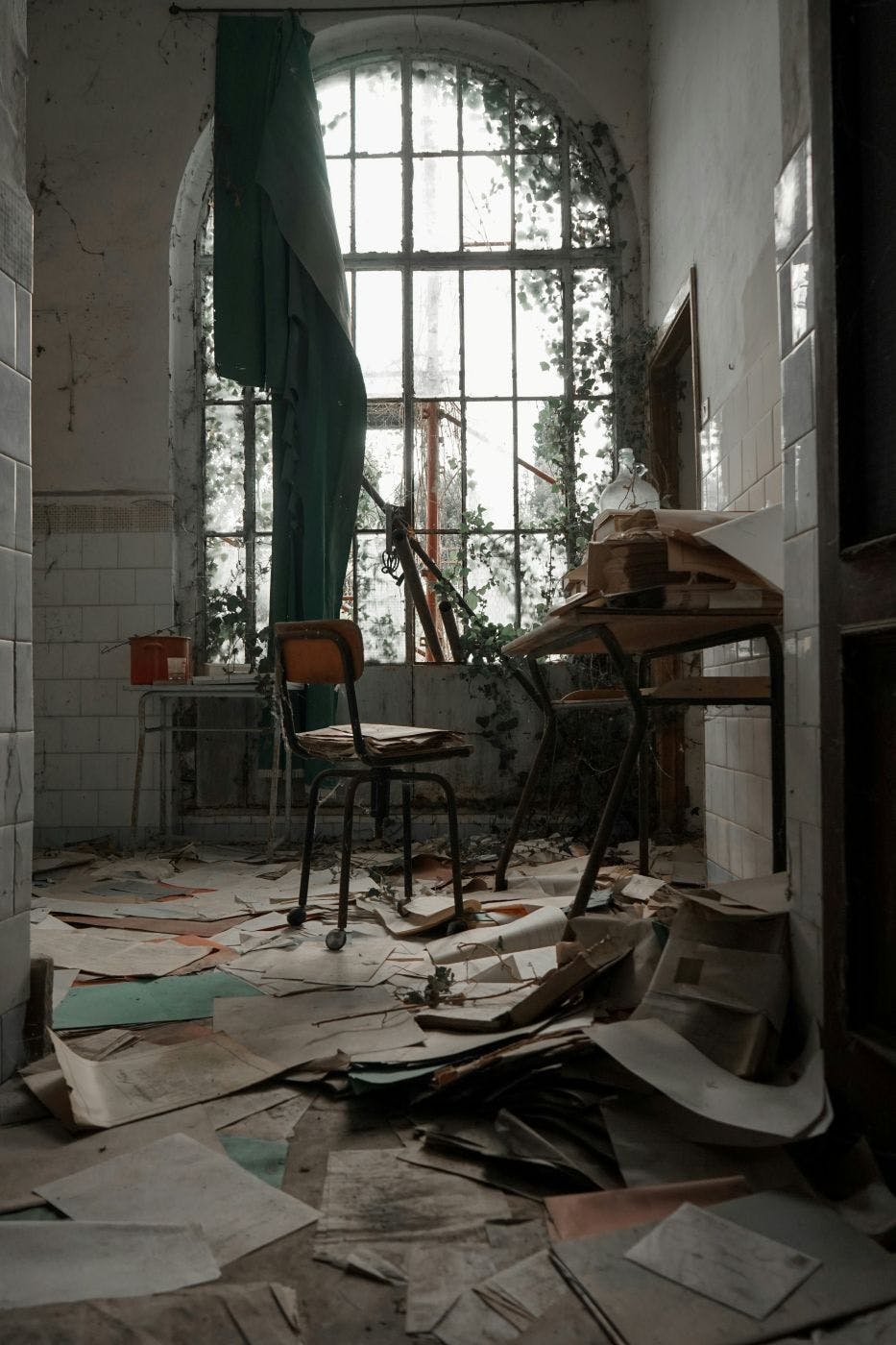
The world has a funny way of romanticizing creativity. Everyone loves the shiny parts — the brainstorms, the lightbulb moments, the finished product that looks effortless. Nobody celebrates the half-awake part, the blank screen, the twenty minutes you spend trying to remember your own password before you even start. But that’s the real creative life
Okay, sports fans, I am on empty. My task, as usual, is to write a scintillating blog that will cause people to flock to ThoughtLab’s page and get caught up in the amazing work we do. Now, there are a few things you should know. One, I love doing this. I really do. I love writing blogs for ThoughtLab because, more than anything, I believe in the work we do. We have incredibly talented designers and artists who take people’s ideas — literally their dreams of creating a brand that grows and lasts — and turn them into something everyone can enjoy and gain from. That’s good work. Seeking authenticity and guiding brands toward better presentation, a wider audience, and their true voice — and helping them achieve their goals.
And it’s not just about making money. ThoughtLab has helped a diverse range of people with websites and insights. This is a good company. An honest company. An ethical company. And the aim, as long as I’ve been here (and I’m staring at ten years now), has been to elevate the industry, help people find their truth, and create things that people can take pride in. In my wee mind, we do some good stuff. And I am thrilled to be a part of it. So there.
The second thing you should know is that my creative tank is empty today. My schedule is crazy, I cannot seem to sleep, and I know, despite my best efforts, this blog is going to be a bucket of warm hamster vomit. That’s not to say that my other blogs have been vomitous, but this one — on this day, at this hour — will be particularly vomitous. But despite all the roadblocks, the need for sleep, the empty tank, I sit here and I write. Why? Because creativity isn’t a mood or a flash; it’s a practice. And sometimes, even the best practices let us down, and we find ourselves, sans coffee, sitting at the desk, staring at a blinking cursor that screams: NOTHING. YOU’VE GOT NOTHING, WRITER BOY. LET ME DO YOU A FAVOR AND PULL UP AN APPLICATION FOR WENDY’S.
Man, that cursor is rough. Anyway, despite all this — and me with my hair in curlers and wearing a cheap kimono — I will endeavor to blog.
Hang on. This will get messy.

The Heartbeat
Some days, the only thing that gets you to the desk is muscle memory. Not inspiration. Not caffeine. Not the threat of a deadline. Just that small, stubborn pulse that says, this is what I do.
The world has a funny way of romanticizing creativity. Everyone loves the shiny parts — the brainstorms, the lightbulb moments, the finished product that looks effortless. Nobody celebrates the half-awake part, the blank screen, the twenty minutes you spend trying to remember your own password before you even start. But that’s the real creative life. That’s where the work lives.
And the strange thing is, if you do it long enough, that becomes a kind of faith. You start believing that showing up, even with nothing to give, still matters. That the act itself — dragging yourself to the page, the canvas, the code, the meeting — is proof you care. It’s not a performance. It’s devotion.
That’s what I think about when I look around at the people I work with. They show up. Designers who stare at the same logo for hours until it finally feels like it’s breathing. Developers who solve invisible problems that nobody will ever see. Writers who keep rewriting a headline until it feels human. It’s not glamorous, but it’s real.
Creativity, when you strip it down, isn’t a bolt of lightning. It’s a heartbeat. Sometimes steady, sometimes barely there, but it’s still moving under all the noise.
And maybe that’s what I love most about this work — that quiet rhythm underneath everything. Even on days like this, when the tank’s empty and the brain feels like pudding, that heartbeat’s still there. You can’t hear it unless you sit still long enough, but once you do, you remember why you started.
It’s not the caffeine. It’s not the deadline. It’s not even the blog. It’s that small, stubborn pulse that keeps you coming back.
The Reality of Creativity
There’s a moment in every creative process where you realize no one’s coming to save you. No muse, no flash of brilliance, no perfect playlist or quote from a famous writer. It’s just you and the thing that won’t cooperate.
And that’s the real part no one talks about. Not the glamorous “flow state” or the dopamine rush when something clicks — but the long, flat stretch in between. The middle of the road where the work feels stupid, you feel stupid, and you start wondering why you ever thought this was something you were good at.
That’s where creativity actually lives.<br /> Not in the spark — in the drag.
It’s not a sprint to the finish; it’s hours of slow trudging through mental fog. The brain offers you every reason to stop. This doesn’t matter. You’re too tired. No one’s waiting for this anyway. But you keep typing. Keep sketching. Keep poking at something that feels increasingly pointless.
And weirdly, that’s the moment that defines every creative person I’ve ever respected. Not the finished portfolio piece or the viral campaign. It’s that quiet defiance in the middle of the mud. The part where you decide — not heroically, just quietly — to stay a little longer.
I think that’s what people get wrong about creative work. They think the hard part is coming up with ideas. However, the hard part is believing in the idea long enough to make it a reality. It’s holding onto something fragile while the world (and your own head) keeps telling you to let go.
I’ve seen it a hundred times at ThoughtLab. Designers who can’t unsee the flaw no one else notices, who lose hours chasing a single curve. Writers who rewrite a single line until it hums. Developers who spend entire days fixing something no one will ever know was broken. None of it looks glamorous. But that’s the difference between dabbling and devotion.
The truth is, creativity doesn’t care how you feel about it. It doesn’t wait for you to be rested, or inspired, or in the right headspace. It just sits there, stubborn and silent, until you decide to meet it halfway.
And sometimes, that meeting looks ugly. It looks like resentment. Like swearing under your breath. Like bargaining with the screen. But it’s still a meeting. You still showed up. You still tried.
And maybe that’s what makes this whole ridiculous thing sacred — the trying. Not the finished product or the applause or the clever tagline. Just the act of refusing to look away.
Because when you stay long enough, when you sit there through the static, something shifts. Not always loud, not always visible — just a small, almost imperceptible click inside your brain that says, there it is.
You never know when it’ll come. Sometimes it doesn’t. But if you’ve been here long enough, you start trusting that it will. Maybe not today. Maybe not tomorrow. But it will. And that trust — that’s what keeps you in the chair.
Creativity isn’t magic. It’s endurance wearing a disguise.

The Small Redemption
At some point, you stop fighting it.<br />The emptiness, the noise, the weight of another day where nothing clicks — it all just evens out. You realize the struggle isn’t something to beat; it’s just part of the air you breathe when you do this kind of work.
And then tiny things start to show up. A line that doesn’t sound awful. Something on the screen that finally stops making you wince. Maybe even one thought that, for a second, feels like it belongs to you again.
They’re not breakthroughs. They’re not applause-worthy. But they’re proof. Proof that you can be tired, distracted, doubtful — and still make something that wasn’t there before.
That’s the quiet redemption in all of this. The work doesn’t always reward you with brilliance, but it always rewards you with evidence that you showed up. That you moved something forward. That you didn’t quit, even when quitting looked easier.
Sometimes I think that’s the whole point of creative practice. Not to make something perfect — but to remember that even on your worst days, you can still make something at all.
You find bits and pieces from old journals, scraps of paper with half-finished thoughts written in ash and lipstick that's not yours, because I usually don't wear lipstick. Oddly enough, all these random bits and bobs start to feel new and fresh. You begin to feel alive, and the breath returns. The thoughts start to trudge out of hiding and grumble to the front of the mind. Thoughts burp and blurge, and none of it's good, but there might be good behind all that noise and stink. And maybe it's not ready for the light of day, but it's good enough, suitable for now, especially on a day like today.
And maybe that’s what keeps me here — that quiet moment after the fight where everything settles and you remember that this is what you signed up for. The work, the effort, the slow miracle of pulling something out of nothing.
When it happens, it doesn’t feel like victory. It feels like breathing again.
That’s enough.
The Takeaway
There’s no secret ending to this story. No sudden spark, no perfect closer. The only real ending is that I showed up. That’s the job. That’s the practice.
You do the work, even when your head’s foggy and the words crawl out sideways. You do it because it matters — not always in a big, world-changing way, but in the quiet proof that you’re still here, still trying.
That’s something I’ve learned after all these years at ThoughtLab. The people here don’t show up only when they’re inspired; they show up because they care. They build things, fix things, write things, design things — not just for the clients, but because there’s something in all of us that wants to make something real. Something honest.
Maybe that’s the real thing underneath all the clutter. Creativity isn’t supposed to be pretty. Most of it isn’t. It’s half ideas and drafts that trip over themselves and lines you’ll fix later. But they still matter. They prove you’re moving. They prove you haven’t given up. You’re still trying to make something that didn’t exist this morning, and that has to count for something.
So if you’re reading this on a day when you’ve got nothing left, here’s your reminder: you don’t need brilliance. You just need motion. You just need to show up, even if it’s messy, especially if it’s messy.
That’s where the real work lives — in the trying.