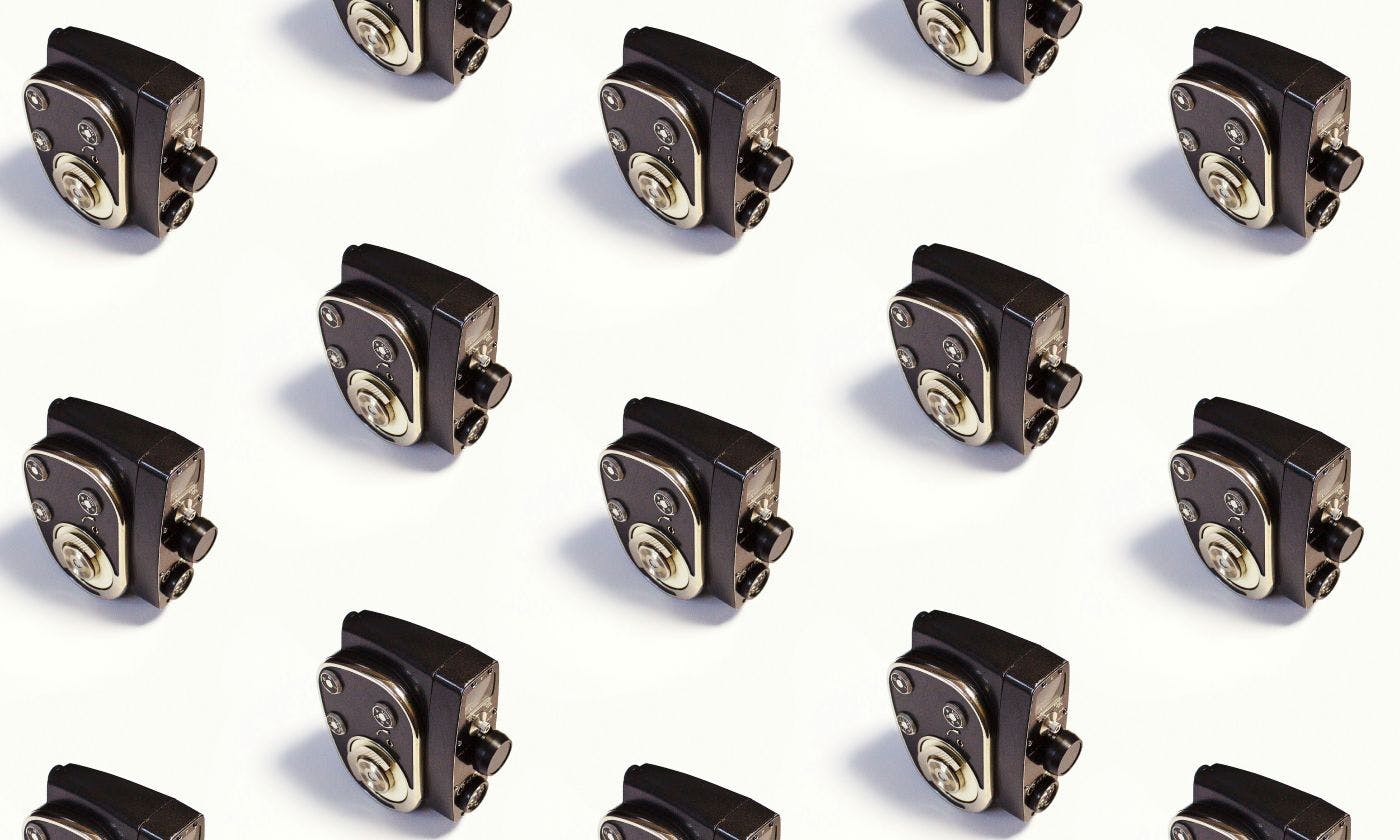
Knock-offs are not really about cheaper products. They are about imitation. About pretending to be something you are not. When you think about it, a knock-off exists only because something real came first.
Growing up, my family didn’t have a lot of money to throw around. We had a lovely house, food on the table, and took modest car-ride vacations. We were fine. But we didn’t have money for high-end clothes. I didn’t mind. I never cared about status. I liked comfort. I liked that I could buy a pair of L.L. Bean shoes and they’d last forever.
My mom shopped at a place called Betty’s Thrift Store, and most of my wardrobe came from there. It was the seventies, when all clothes looked stupid anyway, so thrifted clothes were my jam.
My brother was different. He had friends, he went places, and he knew fashion mattered. When Mom brought home “sneakers,” he moaned that he wanted Converse or Nike — names that never appeared on any products in our house.
But Mom, being the kind soul she was, understood the pain of a kid wanting to fit in. So she tried. She went to K-Mart and got him a pair of Converts, a knock-off that looked real from a distance, in the rain, maybe, but wasn’t the real thing. He knew it instantly. Mom knew it when he ranted that he couldn’t wear them without being laughed out of school. And from that day on, the fear of the knock-off loomed large in our house.
What Knock-Offs Really Represent
It’s funny. Decades later, I still think about those shoes. At the time, they were just sneakers, but now I see them as something else. A symbol of what happens when the surface looks right but the soul isn’t there.
Knock-offs are not really about cheaper products. They are about imitation. About pretending to be something you are not. When you think about it, a knock-off exists only because something real came first. It cannot exist without its original. Its whole identity depends on someone else’s idea, someone else’s creativity, someone else’s courage to go first.
That is what makes imitation so hollow. It copies the shape but misses the substance. It can mimic design, materials, even messaging, but it cannot copy belief. And belief is what gives a brand its gravity.
People don’t buy real brands just for products. They buy them for the story, for the meaning, for what that purchase says about them. When someone buys a pair of Nikes, they aren’t buying rubber and stitching. They are buying the feeling of motion, possibility, and achievement. The logo is shorthand for identity.
So when a knock-off shows up, it is not just selling shoes. It is selling borrowed meaning. It offers the illusion of belonging without the experience of earning it. That’s why it always feels a little empty, even if it looks perfect from a distance.
A brand without belief is just decoration. It might look good for a season, but it won’t last. Because what people really want is not just the look of the real thing. They want to feel part of something true.

The Copycat Economy
Once you start seeing knock-offs for what they are, you start seeing them everywhere. They have multiplied. They are not just in cheap shoes or handbags anymore. They are in design, marketing, art, and even ideas. Whole businesses now survive by being almost the same as something else.
Scroll through social media, and it is one echo after another. The same color palettes. The same taglines. The same “voice.” Everyone is trying to be original by doing exactly what everyone else is doing. It has created what I think of as the copycat economy. A place where imitation is not just accepted but rewarded.
You see it in brands that chase trends instead of leading them. In agencies that copy other agencies’ work and call it inspiration. Influencers who all use the same templates to sound relatable. It feels like everyone is afraid to risk being different, so they keep repeating what seems to work. The irony is that the more we copy, the less it works.
There is a difference between being inspired and being imitative. Inspiration honors the source but creates something new. Imitation erases the source and pretends it never existed. Inspiration moves the culture forward. Imitation stalls it.
Brands that give in to imitation forget that people can sense the difference. They may not be able to explain why, but they can feel when something is alive and when it is just a copy. The first sparks emotion. The second feels mechanical.
Today, people mistake a repeat of what's already out there for creative brilliance, and it's not. Everyone is trying to keep up with the big boys, following their footprints like a cat in snow, but they miss the spark that made the original so good and worthy of copying. However, the copies come and go faster than commuters on the A train, while the originals mature, evolve, and keep redefining what makes them great.
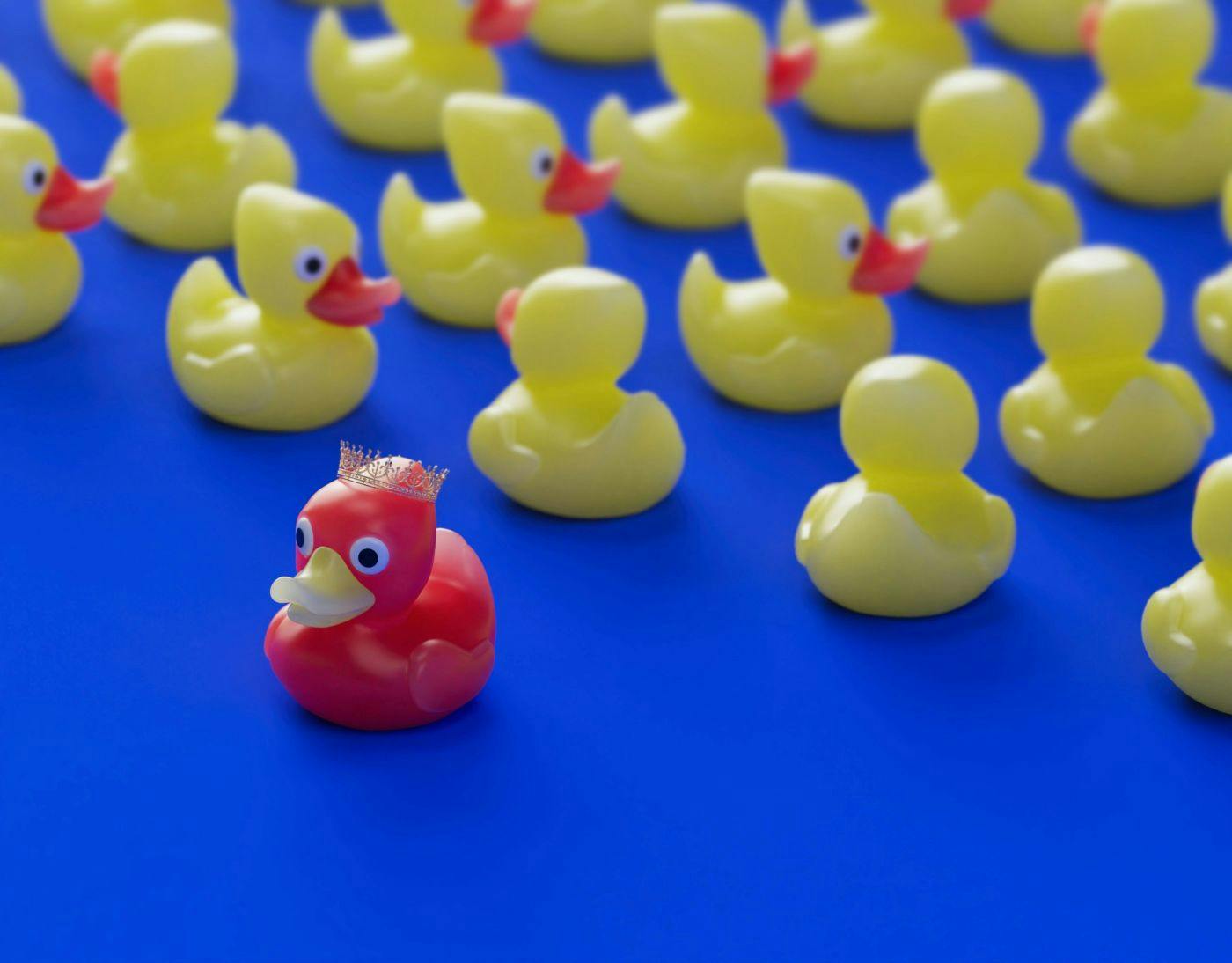
What Makes a Brand Un-Copyable
It’s easy to look at a knock-off and laugh. The logo is a little off, the color slightly wrong, the fit not quite there. But the real reason knock-offs fail is not in the details. It’s in the spirit. They have no heartbeat.
Real brands are not built from logos or taglines. They grow out of a set of beliefs that shape how they behave in every moment. Those beliefs create the soil in which everything else grows. Without that soil, all you have are pieces that look right but don’t connect to anything real.
That’s why the best brands feel alive. They move. They evolve. They surprise you but somehow always feel familiar. You can tell they come from a place of conviction, not convenience. Patagonia doesn’t just sell jackets. It sells the idea that the planet is worth protecting. Nike doesn’t just sell shoes. It sells the idea that everyone has the right to test their limits. These are not marketing lines. They are belief systems that live through every product, every word, every experience.
A knock-off can copy the jacket or the slogan, but it can’t copy that belief. Because belief takes time to grow. It comes from years of consistent behavior, not a clever campaign.
The brands that last are the ones that understand this. They build what I think of as an internal gravity. Everything they create pulls from the same center. When that center is strong, you feel it. It gives their work weight and coherence. It gives their customers a sense of trust. That’s what makes them un-copyable.
You can mimic the look of Apple, but you can’t mimic what it feels like to open one of their boxes for the first time. That experience is not design alone; it’s the result of a thousand intentional decisions all orbiting around the same belief — that technology should feel human.
That’s what imitation always misses. It sees the outcome but not the ecosystem that produced it. The shape without the system. The product without the process. The image without the insight.
Every real brand exists inside its own ecosystem. Its tone, visuals, product experience, and community all feed each other. The health of one part supports the strength of the rest. When that system works, it becomes self-sustaining. It creates meaning faster than competitors can copy it.
A knock-off can’t build that kind of system because it doesn’t have the root network that keeps it alive. It’s trying to graft onto someone else’s tree, and that never lasts.
When you look closely, the difference between a copy and an original is not design at all. It’s depth. Originals draw from something lived and felt. Copies skim across the surface, hoping no one notices. And yet, people always notice. Maybe not consciously, but they feel when a brand is running on borrowed energy.
The lesson for any brand is simple. If you want to be un-copyable, stop chasing the next cool idea and start growing the one you already have. The deeper you go into your own truth — your reason for being, your point of view, your sense of purpose — the harder it becomes for anyone to fake it. Because they would have to become you, and no one can do that.
Being uncopyable is not about being perfect. It’s about being grounded. The strongest brands aren’t standing above the crowd. They are rooted deep enough to keep standing when the wind shifts.
The Danger for Real Brands
Every great brand starts with something real. A purpose. A frustration. A vision that felt worth building around. But over time, success can make brands forget why they started. Growth brings layers, layers bring pressure, and pressure breeds imitation.
That’s the quiet danger. Once a brand begins chasing what’s working for everyone else, it stops nurturing what once made it original. The edges smooth out. The personality softens. Soon, it looks and sounds like everything around it, even though it’s the one everyone else used to copy.
You can see this pattern everywhere. A once bold brand hits a growth plateau, and instead of digging deeper into its roots, it starts scanning the horizon for shortcuts. New color palette. New campaign. New slogan that feels “current.” But none of it lands because none of it grows from the brand’s own soil.
The truth is, imitation doesn’t just happen outside a company. It creeps in from within. It starts in the boardroom when someone says, “Can we be more like them?” It shows up in creative meetings when originality gets traded for safety. It spreads quietly, like mold. And before anyone notices, the brand that used to stand for something becomes a weaker version of its imitators.
That’s the trap: when you flatten meaning into style, you make yourself easy to copy. When your brand depends on a trend, your identity expires with it. The moment your message could belong to anyone, it belongs to no one.
Customers can sense that shift. They may not read every tagline or analyze the design, but they know when something genuine has gone thin. It’s the same feeling my brother had with those Converts. You can’t always explain it, but you know when the real thing isn’t there anymore.
A brand that loses touch with its belief system becomes its own knock-off. That’s the real danger. Not the cheap imitations in the market, but the quiet erosion that happens when a company forgets who it is.
The cure isn’t reinvention. It’s reconnection. Going back to the core and remembering why people cared in the first place. That’s where originality lives. That’s what keeps the brand real.
How to Build a Brand That Can’t Be Knocked Off
You can’t stop people from copying you. The moment you do something great, someone will try to imitate it. That’s how markets work. But what you can control is how easy you make it for them.
The truth is, originality isn’t a one-time act. It’s not a campaign, a rebrand, or a launch. It’s a discipline. The brands that stay original treat creativity like maintenance — something you keep tending, feeding, and protecting over time. You can’t automate it. You have to care about it.
Build a world, not a wall
The strongest brands don’t defend themselves by locking others out. They make imitation pointless by building a world no one else can enter without becoming something different. They connect product, story, tone, and belief into one living system. You can borrow the visuals, but you can’t recreate the atmosphere. You can copy the logo, but not the feeling of being inside that world.
That’s the power of ecosystem thinking. Every piece supports the rest. The website reinforces the product experience. The team culture shapes the customer interactions. The mission informs the design. When all those touchpoints work together, they create an experience that can’t be pulled apart and reproduced.
Start with belief, not branding
The foundation of every un-copyable brand is conviction. Know what you believe and why you exist. Most companies skip this part or confuse it with a marketing statement. But belief is not messaging. It’s what you’d still stand for if the market disappeared tomorrow.
When you lead from conviction, you stop chasing comparison. Your decisions become clearer, your creative work gets sharper, and your audience feels it. Belief creates focus, and focus creates originality. It’s hard to fake that kind of clarity.
Be consistent in feeling, not format
Consistency gets a bad reputation because people think it means repeating the same look forever. Real consistency is about emotional coherence. It’s when everything you put into the world — from your emails to your packaging — carries the same heartbeat.
You don’t need every ad to match perfectly. You just need every interaction to feel like it came from the same soul. That’s what builds memory. Memory builds trust, and trust is something imitators can never borrow.
Invite people into your world
Knock-offs can sell to people, but they can’t build with people. That’s where the real brands win. When you invite your audience to participate, the relationship itself becomes part of the brand.
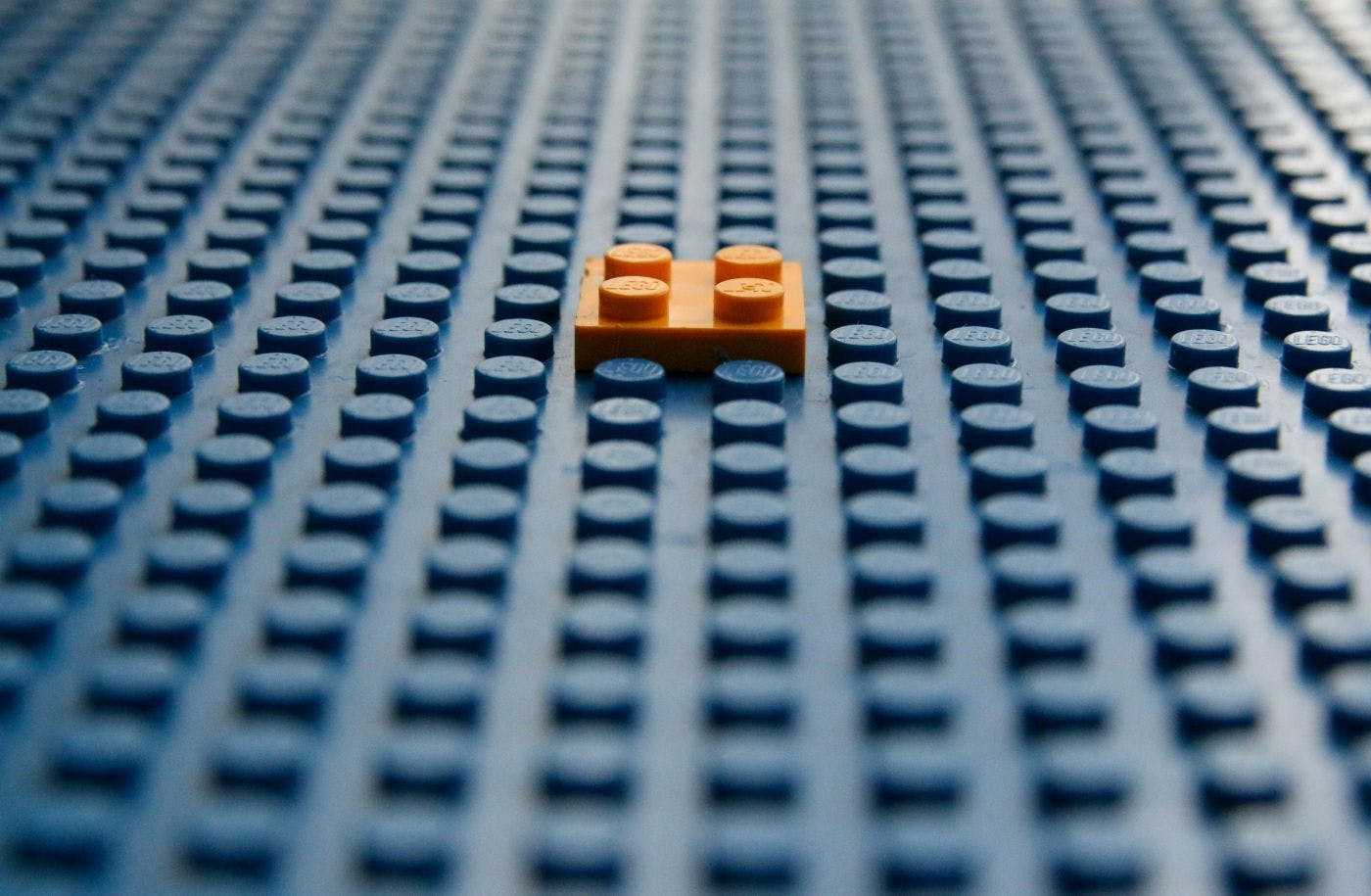
Look at LEGO. Its community isn’t an accessory; it’s an engine. People build, share, and create together — adding layers of meaning no company could invent on its own. Trader Joe’s has something similar. Their shoppers turn grocery trips into rituals. You can copy the packaging, but you can’t copy the sense of belonging that grows out of those shared experiences.
When your community becomes part of your identity, you become impossible to duplicate.
Keep evolving
The fastest way to make yourself easy to copy is to stop changing. The world moves fast, and brands that rely on what worked last year become predictable. The imitators love that because it gives them a static target to chase.
The brands that stay ahead don’t reinvent themselves every season — they evolve. They keep experimenting, learning, and taking creative risks that express the same core belief in new ways. They keep asking, “What else could this be?” while others are still asking, “What worked before?”
Protect your voice
If there’s one element most often overlooked — and most easily copied on the surface — it’s tone. How you speak, write, and carry yourself as a brand. Voice is the fingerprint of authenticity. It’s the hardest thing to fake because it comes from how you see the world, not just how you describe it.
Voice is shaped by personality, experience, and emotion. When a brand finds its true voice and uses it consistently, it builds recognition that runs deeper than visuals. Even when you strip away the logo, people know it’s you. That’s how you know your tone is working — it carries your essence even when your name isn’t there.
Think like an ecosystem, not an island
This is where ThoughtLab’s view comes in. Brands that thrive over time don’t live in isolation. They operate like ecosystems — connected, adaptive, alive. Their strength isn’t in one great campaign but in how every part of the system supports the rest.
When a brand works like an ecosystem, everything connects. The community shapes what gets built next. The product sparks new stories. Those stories change how people see the culture around it, and that culture pushes the brand to keep creating. It’s not a closed loop, it’s a living cycle — always shifting, always feeding back into itself. That’s what keeps it alive long after imitators run out of air.
When your brand behaves like a living system, imitation becomes impossible because no one else has the same environment, the same history, or the same DNA.
Stay human
At the end of the day, what protects originality is humanity. Brands that feel human — that show imperfection, emotion, and care — connect on a level copies can’t touch. When people feel seen and valued, they remember. And when they remember, they come back.
However, being free of the sin of being copied isn't about being perfect. It's much more about depth, conviction, and a true connection. Deep roots grow faster and stronger. And even if someone copies your look, language, or your latest campaign.
The Takeaway
My brother never wore the Converts. They sat in the closet until Mom finally used them as planters for her odd and wonderful garden. But I think about them sometimes. Not because of the shoes themselves, but because of what they taught me, that the gap between real and fake isn’t about looks. It’s about belief.
The real thing carries meaning that can’t be printed, packaged, or glued on. It’s built from the inside out. The knock-off copies the shape but misses the substance. It can sell the image, but it can’t sell the truth.
That’s what separates brands that last from the ones that fade. You can’t trick people into trust. You have to earn it, over and over, by showing that your purpose and your actions still line up.
At ThoughtLab, that’s what we build toward. We don’t just help brands look consistent. We help them act consistent. Every story, every touchpoint, every strategy is part of a connected ecosystem that grows from a single, living idea. When all those parts work together, a brand becomes more than recognizable — it becomes real.
And that’s the part no one can copy. They can borrow your color, your format, your features, but they can’t borrow the conviction behind it. Because conviction can’t be reverse-engineered. It has to be lived.
So yes, imitation will always exist. But it only thrives where originality has gone missing. The real brands — the ones that think in ecosystems, that keep evolving, that stay connected to what they believe — never worry about being knocked off. They’re too busy growing.