This happens all too often. We get attached to things, and then those things close, vanish, or change. It makes me think about brands and how people get them entangled in their lives, and what they do when the brand goes away.
I am not a wealthy guy and probably never will be, but that’s okay. Not having excessive wealth makes you appreciate and understand the little things in life. The small wonders. The kitchen miracles, if you will.
Things like an old coffee percolator I got at an antique shop in Maine, which still lives with me and brews my morning coffee. It doesn’t have gadgets or hoses. It doesn’t have a steamer attachment, so I have to make the steamer noise myself if I want a latte. But it still works. It makes great coffee. And it looks classic. Small thing.
My life is full of small things, and I cherish them all. Here’s the problem, though: when you live with the small things, when the little life miracles keep you going, losing one is crushing. Recently, I lost one of my favorite small things, and frankly, I’m not handling it well.
About two years ago, I literally threw a dart at a map of the United States and moved to the town where it landed. It is a lovely, quiet seaside town in the Pacific Northwest. I loved it instantly, and one of the things that bolstered that love was a place called Strait Slice. A pizza shop. Not a chain like Domino’s, Papa John’s, or even Papa Murphy’s. This shop sits on the corner of Lincoln and First, and they serve the best pizza I have had in these United States.
They never advertised it as New York-style pizza. They just made good pizza. Really good pizza. The kind with blackened bubbles on the crust, the perfect balance of cheese and toppings, and a crust that sits in that perfect hinterland between chewy and crisp. I could, and have, written odes to this pizza. Not saying my odes aren’t odious, but that doesn’t matter. The pizza was perfect. It was one of the small things in my life that I adored and felt thankful for.
Recently, my adoration has been beaten down. I hate to say this, but as they put it on their website, Strait Slice has thrown its last pizza. They are done.
I drove by two days ago, thinking, I haven’t had a good pizza in a while. I’m going to get myself over to Strait Slice. As I approached, I saw the signage was gone. People were inside removing the portrait of Joe Strummer, piling up the stools, and painting the walls.
Strait Slice was undergoing renovations, I thought.
But my fingers were itchy, and my stomach was turning. I fled home, got online, and there it was: the announcement that Strait Slice was closing. No reason for us to understand. Just, we’ve thrown our last pie and goodbye.
As I’ve said, I am still pretty new to this town, but I have my rituals and my schedules. On my schedule, about twice a month, I would get a pizza from Strait Slice. It was a small joy I planned. Now, no more.
A new place is coming in. One that boasts New York-style thin-crust pizza. Strait Slice didn’t need the New York-style moniker. They just made their pizza. No imitating some other city. Just making pizza.
Anyway, I will wait and see what the new place offers, but I don’t have high hopes. I loved this place. I counted on this place. And now…
This happens all too often. We get attached to things, and then those things close, vanish, or change. It makes me think about brands and how people get them entangled in their lives, and what they do when the brand goes away. Cigarette smokers are very loyal to a brand. What happened to those who smoked Barclays or Reals? What about Van Morrison fans who can’t get Woodbines any longer?
What do we do when the brands we’ve been loyal to our whole lives just leave us and don’t explain why?
The Calendar Effect
It took me a day or two to realize what was actually bothering me. It wasn’t just the pizza. It wasn’t even the loss of a favorite place. It was the disruption of something I had quietly scheduled into my life.
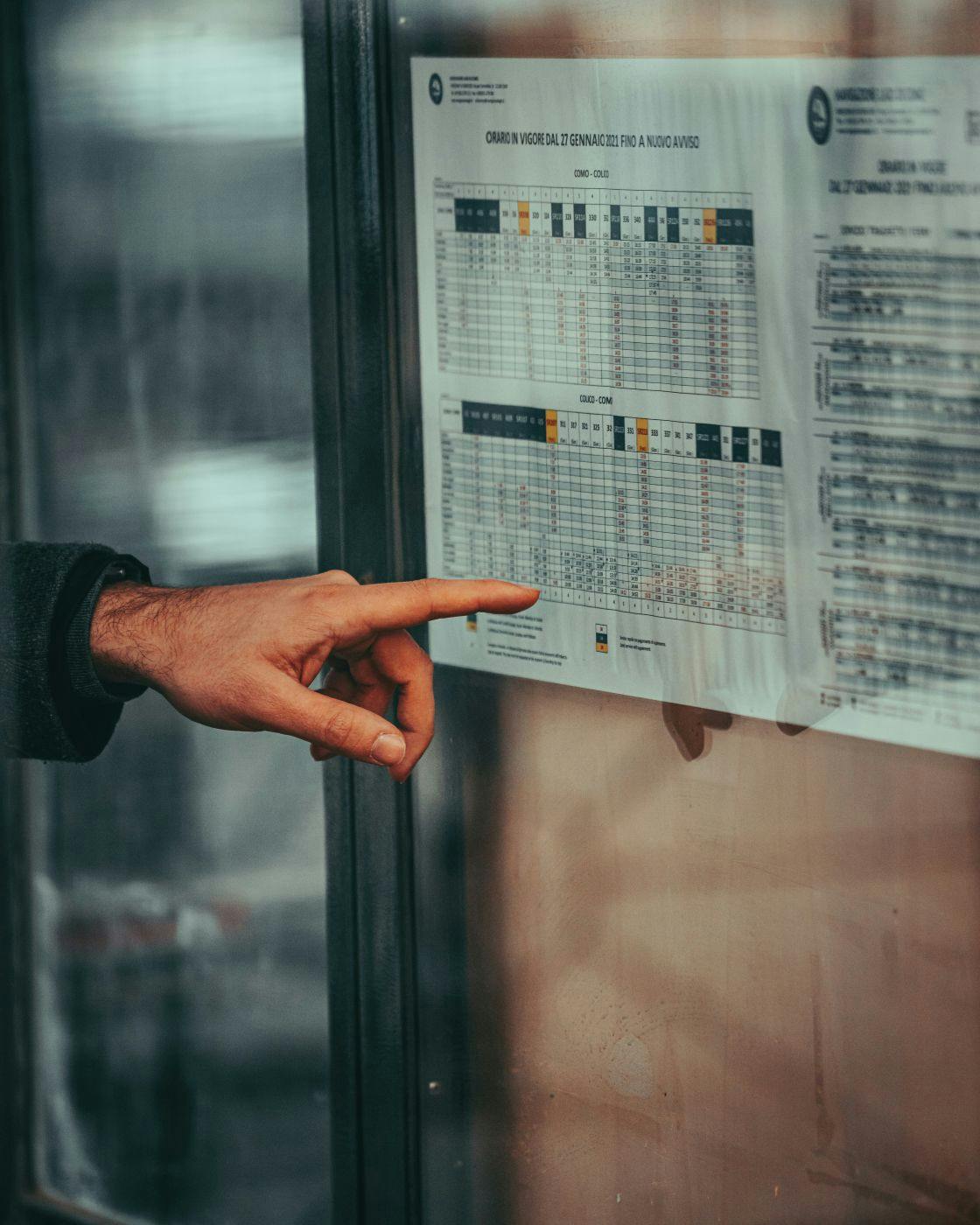
About twice a month, Strait Slice was on my calendar. Not literally, of course. I didn’t send myself reminders. But it was there. A small, dependable punctuation mark in the month. Work would stack up. The weather would turn gray. I’d think I’ll grab a pie this week. And I did.
That’s when it clicked. The brands that matter most to us aren’t necessarily the loudest or the most advertised. They’re the ones that earn a place in our rhythm. They move from being options to being habits. From being choices to being appointments.
There’s a difference between awareness and integration. Plenty of brands can get your attention. Far fewer become part of your schedule. The barber you see every third Saturday. The coffee shop you stop at on the way to the office. The takeout place that anchors Tuesday night, because Tuesday is long, you’re tired, and you don’t feel like cooking. These aren’t just transactions. They are structural elements in how we experience time.
When a brand makes it onto your calendar, it stops competing for attention. It becomes assumed. Trusted. Expected. And that’s a different kind of success.
Strait Slice never felt like it was trying to win me. It wasn’t loud. It didn’t brand itself as an import from somewhere else. It didn’t chase a trend. It just made excellent pizza and did it consistently enough that I built a small ritual around it. That’s what I lost. Not a menu item. A marker in the month. An oasis in the desert of drudge. A simple pleasure in round form with cheese.
What Disappearing Actually Does
There’s something brands rarely account for when they talk about loyalty. They measure repeat purchases. Frequency. Retention rates. They track churn. They look at numbers and see movement. What they don’t always see is rhythm, and rhythm is everywhere.
I lived in New York for eight years. A slice of pizza there isn’t just food; it’s infrastructure. You fold it because you’re walking. You eat it because you’re moving. There are so many places to get one, and so many people carrying one, that the slice becomes part of the city’s pace. The thin crust, the fold, the speed, the sheer number of shops on a single block. That isn’t just a recipe. It’s tempo. When a place says it makes New York-style pizza, it’s borrowing more than ingredients. It’s borrowing rhythm.
When Strait Slice closed, I didn’t lose access to pizza. There are other places. There will always be other places. What I lost was the certainty of something I had quietly depended on. I lost the comfort of knowing that on a gray Thursday evening, I could walk into a familiar corner and order something that never disappointed me. That’s what lingers. Not scarcity. Disruption.
When something becomes part of your calendar, you stop evaluating it. You’re no longer asking whether it’s good enough. That decision was made long ago. It’s folded into your month the way a haircut or a standing dinner or a call with an old friend might be. You don’t reconsider it each time. You simply go. That kind of integration is fragile, even when it feels solid.
If a loud brand disappears, people notice and move on. If something embedded in your routine disappears without explanation, it feels different. Not catastrophic. Not dramatic. Just oddly personal. Like a door you’ve always walked through is suddenly bricked up.
Maybe that sounds like too much weight to give a pizza shop, but think about how much of your life is structured around repetition. We build stability out of small, dependable interactions. We hand off little pieces of our day to businesses we trust so we don’t have to rethink everything constantly. When one of those disappears, the loss isn’t really culinary. It’s temporal. Your month has to rearrange itself. Strait Slice had earned a square on mine, whether they knew it or not.
When the Calendar Goes Blank
It surprised me how quickly the loss became practical. I found myself thinking about dinner one night and realizing I no longer had that fallback. That small, reliable answer to the question, What should I do tonight? It wasn’t that there weren’t other options. It was that I had to think again. That’s what disappeared with Strait Slice. Not pizza. Frictionlessness.
When something earns a place in your month, it reduces the number of decisions you have to make. It sits there quietly absorbing effort. I didn’t evaluate Strait Slice every time. I didn’t compare it to three other places before ordering. The decision had already been made months, maybe years, ago. I just followed through.
There is a kind of trust embedded in that repetition. Not loud trust. Not brand-declaration trust. Just the trust that comes from something showing up the same way over and over again. The crust will blister the same way. The cheese will settle the same way. The corner table will probably be open. You don’t think about it. You just go.
When that disappears without warning, the gap feels larger than the object. It’s not about craving. It’s about recalibration. The month has to adjust. The small mental shortcut is gone. You have to reconsider.
I don’t know why Strait Slice closed. Maybe it was rent. Maybe it was exhaustion. Maybe it was timing. Businesses end for all kinds of reasons. But when something has quietly integrated itself into people’s lives, the ending carries more weight than the owners might realize. Because somewhere out there, someone else had a twice-a-month rhythm, too. And now there’s an empty square where that ritual used to live.

The Weight of Showing Up
It’s easy to underestimate what consistency actually does. Most businesses are trying to grow. They’re trying to differentiate, trying to make noise loud enough to be noticed. That makes sense. Attention feels like oxygen. But attention is momentary. It flares and fades. What endures is something quieter.
Showing up the same way, over time, in the same place, at the same level of quality. That’s not flashy work. It doesn’t feel innovative. It rarely wins awards. But it does something more durable. It removes friction. It lowers the cognitive load. It lets someone move through their day without having to make one more decision. That’s not trivial. That’s service.
Strait Slice never felt like it was trying to impress me. It just kept its corner, its oven hot, turning out the same blistered crust. It earned its place by being dependable enough that I stopped evaluating it.
There is a kind of trust that only repetition can build. Not the trust of a big promise. The trust of a pattern. A trust that comes from the tenth visit feeling like the first, and the twentieth feeling like the tenth. It’s not dramatic. It’s steady.
When a brand earns that kind of trust, it becomes part of someone’s infrastructure. It becomes a small load-bearing beam in the architecture of their week. Not visible, or celebrated, just there. And once you are there, the stakes change.
Because disappearing isn’t neutral anymore. Changing without context isn’t neutral anymore. Even small shifts ripple outward in ways that spreadsheets won’t capture.
That doesn’t mean businesses can’t close or evolve. They do. They have to. But it does mean something else: if you’re fortunate enough to have earned a square on someone’s calendar, you’re carrying more weight than you think. That weight is invisible. But it’s real.
The Quiet Advantage
Most brands spend their energy trying to be noticed. They invest in campaigns, refine their positioning, adjust their visuals, and search for sharper language. All of that has its place. But attention is unstable. It shifts quickly. It belongs to whoever interrupts best in the moment.
Rhythm works differently. When a brand becomes part of someone’s routine, it doesn’t need to interrupt anymore. It doesn’t need to reintroduce itself each time. At some point, it stops competing and starts belonging. It becomes the default answer to a question that no longer feels open.
Strait Slice crossed that line without me realizing it. I didn’t compare it to alternatives every time I was hungry. I didn’t scroll reviews or weigh options. It had settled into my month quietly. The decision had already been made, and I simply kept returning.
There’s a strategic advantage in that kind of integration. It doesn’t produce spikes. It doesn’t create spectacle. But it creates endurance. A brand that earns a place in someone’s rhythm is harder to dislodge than one that simply wins attention for a season.
That’s what made the closure feel heavier than it should have. Not because pizza is irreplaceable, but because the pattern was. Something dependable had been carrying a small part of my month. And when it disappeared, I felt the absence of that structure more than the absence of the product.
That kind of presence is easy to overlook when you’re inside it. But from the outside, when it’s gone, you can see how powerful it was.
Leaving Well
Not every brand gets to endure. Leases go up. Founders burn out. Suppliers fall through. Life changes. Sometimes the most responsible thing a business can do is close its doors. There’s nothing shameful about that. Businesses are run by people, and people have limits. This isn’t an argument for permanence. It’s an argument for awareness.
If you’ve earned a place in someone’s routine, you’ve entered into something quieter than a transaction. You’ve entered into trust. Not the loud trust of a campaign promise, but the quiet trust of repetition. The trust that forms when something shows up the same way long enough that people begin to structure their days around it. That kind of trust creates expectation. And expectation creates reliance.
When you close without context, the disruption is small in scale but real in texture. It doesn’t make headlines. It doesn’t trend. But it ripples through individual lives. A Friday night plan disappears. A Sunday morning ritual dissolves. A dependable answer to an ordinary question vanishes. Most brands think about acquisition and retention. Few think about the exit.
There is a way to leave that honors the rhythm you helped build. It doesn’t require a dramatic statement or a lengthy justification. It requires acknowledgment. A note of gratitude. A recognition that what you built mattered beyond revenue.
Strait Slice may have had good reasons for closing. I assume they did. Running a small restaurant is relentless. Maybe the owners were tired. Maybe the margins were thin. Maybe it was simply time. The announcement was brief and final. “We’ve thrown our last pie.” That was it. Clean. Efficient. Over. Maybe that was all they had left to give.
But when something has occupied a square on people’s calendars, even a small gesture of explanation or appreciation can soften the landing. It signals that the relationship was mutual. That the loyalty people offered wasn’t invisible.
You can’t prevent disappointment. You can’t protect everyone from inconvenience. But you can respect the fact that you were part of someone’s rhythm. Brands spend years trying to earn loyalty. They build campaigns around it. They celebrate it in quarterly reports. But loyalty isn’t just something to acquire. It’s something to steward. And stewardship includes how you end. If you’ve built rhythm into someone’s life, leaving thoughtfully isn’t a marketing tactic. It’s a human courtesy.
The Takeaway
If you’re building a brand, it’s easy to focus on attention. Attention feels measurable. It feels like progress. It spikes when something works and drops when it doesn’t. But attention isn’t the same as integration. Being seen is different from being scheduled.
At ThoughtLab, we talk often about that distinction. Visibility gets you into consideration. Integration earns you a place in someone’s routine. And once a brand settles into someone’s rhythm, it operates differently. It no longer has to reintroduce itself each time. The decision has already been made, sometimes months ago, sometimes years ago.
That kind of presence is subtle. It doesn’t always show up clearly in the metrics that feel most exciting. But it shapes behavior in durable ways. When a brand becomes part of someone’s calendar, it stops competing in the open field of options and starts functioning as a default.
If you earn that kind of place in someone’s life, it’s worth recognizing what it represents. Somewhere, someone has structured a small part of their month around what you provide. They may never articulate it. They may never send a note saying so. But your consistency has reduced friction in their life. It has simplified a decision. It has created a dependable answer.
That’s not a flashy form of success. It doesn’t trend. It doesn’t dominate headlines. But it matters.
I am not a wealthy guy, and probably never will be. My life is built around small things that endure. An old percolator that still works. A routine morning ritual that hasn’t changed in years. A handful of dependable places that have earned their place quietly.
Strait Slice was one of them. It kept time with my month without asking for much attention. And when it closed, I felt the loss of that rhythm more than I expected. Brands often measure movement. They don’t always see the structure they’ve become part of. The ones that endure are the ones that understand the difference. That’s not loud wealth. But it’s real.