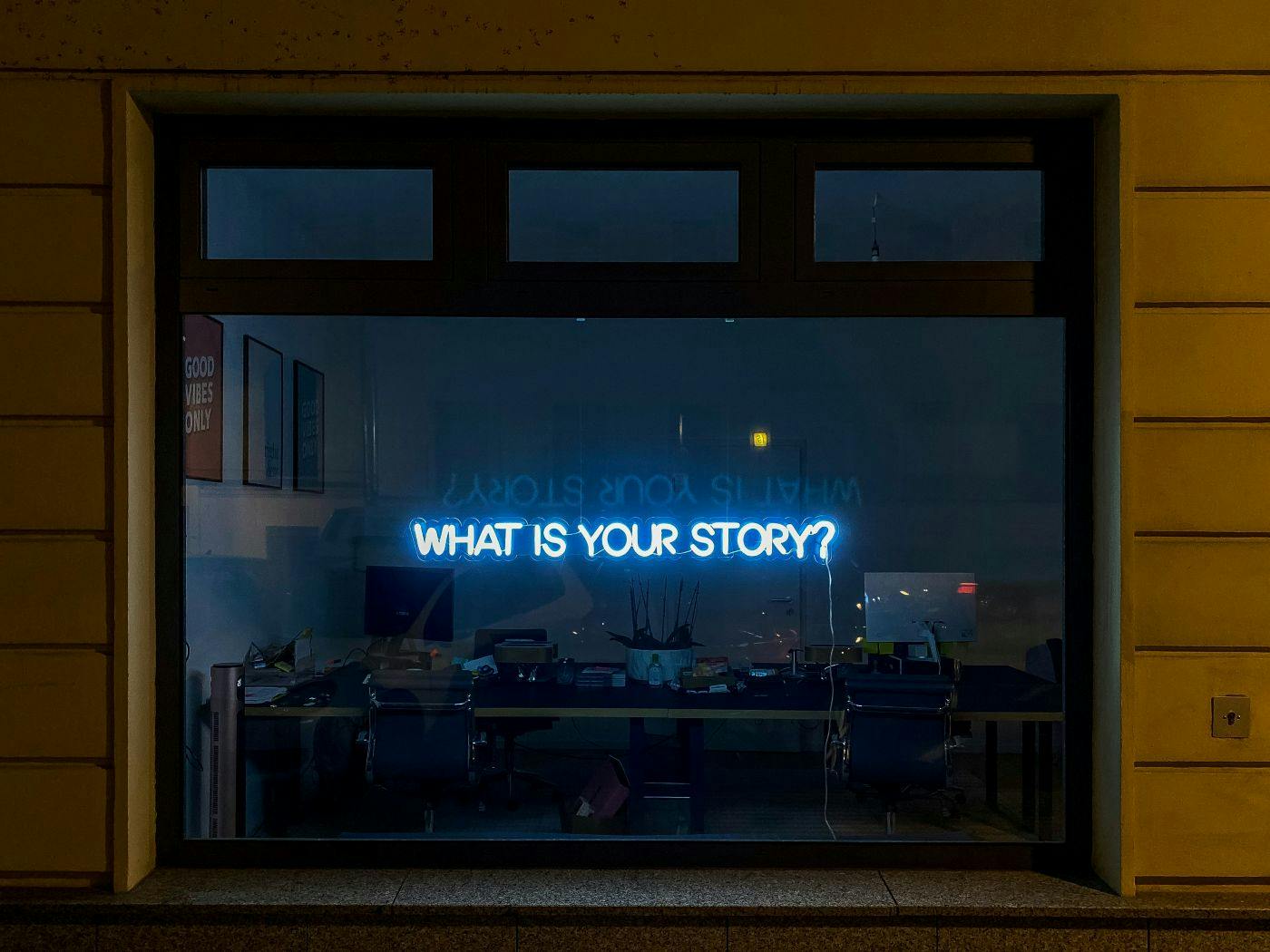
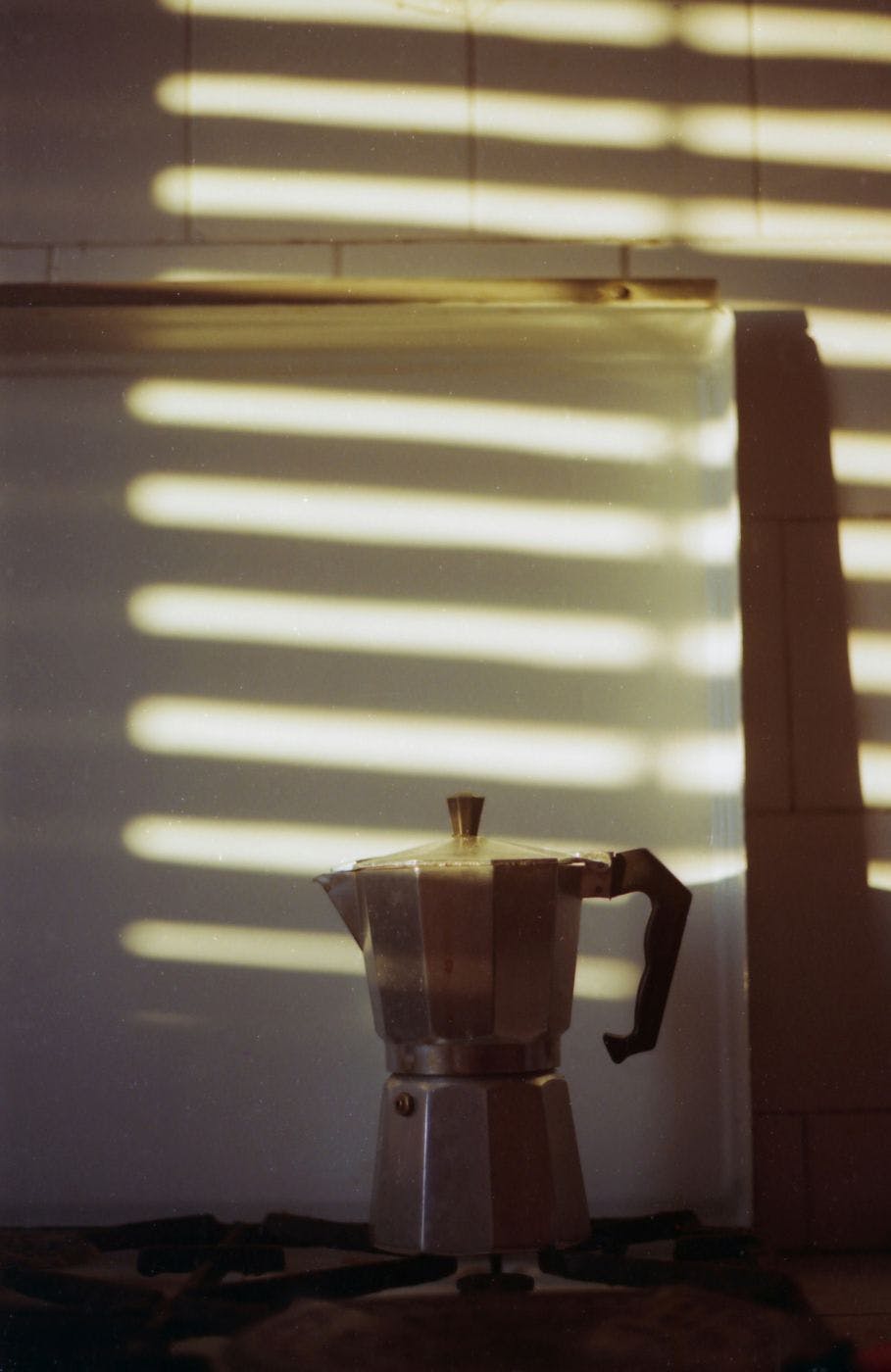
What’s behind this return to analog, and how will it work? More than that, will it work, and what will it mean to digital marketing and online branding? Can we ever put the tech genie back in the bottle and return to the old, more human ways?
It seems like a decade ago, and thinking on it now, it probably was, seeing as I’m as old as dirt. But there was a time when I did all my writing, letters, work, just thinking, on an Olivetti typewriter. I mean, when I was finalizing, I still used Moleskine notebooks for thoughts, jots, and general putting-ideas-down. But it wasn’t until I moved to Italy and had limited luggage capacity that I broke down and bought a Mac laptop. The thing weighed about thirty pounds and used dial-up and floppy discs, but it was more convenient, so I moved, not fully willingly, into the computer age.
And there I was, part of culture, I joined MySpace and chatted with people online. I joined Facebook and did the same. I tried online dating and entered chat rooms. I stopped handwriting letters and sent emails instead. I was telling myself that I was now part of the digital world, I was on the same page as the rest of the planet, I mean, except for that uncontacted tribe in the Amazon, I still think they have the right idea.
I went from completely outside the digital world to dumping my old analog ways and joining the tech drive. I was a part of the cool group. Yay me.
About three years ago, a friend of mine sent around his last email. In it, he invited a few of us to join him and get back to our roots, no more computers, no more email, just letters and phone calls. This was his response to his addiction to doomscrolling and his deep disappointment in social media. His last email read, in part:
“... it’s too much. The daily saturation of bad news, hateful rhetoric, and the draw to return to high school and play by those rules again. I’m done. I’m moving on, and I invite you to join me.”
I was interested in his experiment. I especially resonated with his idea that with social media, we are pulled back into the rules that governed the halls of high school. Gather friends, those friends follow you, you’re popular, only your thoughts and actions matter. The rest of us stand on the sidelines, hoping you'll let us in. It’s still the same, the same hierarchy, the same bummer for those on the outside, the same feelings of inferiority, all those high school emotions promulgated by the cool kids, the popular kids were still very much alive and very much triggered by the new world of social media.
Jeff’s experiment was about getting offline and seeing people face-to-face. He encouraged those of us he included in the email to drop the machines, get off screens, and be seen. It was a great idea, and some of us lasted about three months before life grabbed us, screamed you’re busy in our faces, and we slipped back, tails between our legs, and settled like good drones back into the digital world, back to social media and emails and living on screens. The pull was too strong, and besides, everyone was doing it; how could it be wrong?
That was a long time ago, and I have not heard from Jeff in several years. He took his experiment seriously, dropped off the grid, quit his tech job, and now he lives in a small bungalow on an island, and, last I heard, he has no electricity, and he’s the happiest man on the planet. It worked for him.
I was thinking of Jeff this weekend when I read a story in The Washington Post about 2026 being the year we all return to analog and leave the digital world in the background. I thought of the experiment, how quickly most of us fell away, and how Jeff, the instigator, the leader, stayed true and still lives the dream he shared with us. Now, it seems, the world is listening to Jeff, and in 2026, we’re going to see more people like him fighting for human interactions over digital ones.
What’s behind this return to analog, and how will it work? More than that, will it work, and what will it mean to digital marketing and online branding? Can we ever put the tech genie back in the bottle and return to the old, more human ways? Good question, and one I want to examine in this blog.

When Faster Replaced Better
I recall the moment I first encountered the shift from analog to digital. When I first moved to NYC, I had saved enough money to have a photo sessions ith a great photographer to get new headshots. It was a great experience. I spent an hour drinking wine and just talking to the photographer. It was relaxing, and the results were so good. He shot on black-and-white film; the lighting was great, I felt relaxed, and it was worth the money to get the shots.
The shots were so good that I used them for far too long. I started losing hair, and I was wearing a beard. Eventually, and quite reluctantly, I decided to get new headshots. I was now living in Florida, and so I asked actors and looked at trade papers, and I was a little shocked. My great photo session in NYC cost me $500.00. Now, as I scanned the papers and asked for recommendations, I saw photo sessions as cheap as twenty-five dollars. I was unsure.
I finally booked a session with a woman for $100, and I went to her “studio.” Her studio, it turned out, was a cleared space in her very crowded garage. She didn’t have any specific lighting set up; she just had lights on. We didn’t drink wine, we didn’t chat, she had kids to get to and groceries to buy, but that was okay, she assured me, this would only take a few minutes. Whereas I had spent several hours with my NYC photographer, this woman ran me through a series of set poses, snapped pictures, and that was it. The main difference, she was shooting with a digital camera. “I can fix the lighting and any blemishes or whatever you have on my computer. I’ll have proofs for you tomorrow.” And she did.
The photos were fine, they looked like me, and she had given the pics better lighting, and I looked clean-faced and … good. The digital pictures were good, serviceable, and I used them. They weren’t as warm and friendly as the ones I had done on film, but, as she explained to me, this was digital, this was the incoming wave. Cheaper, easier, and more available. She noted things like no more long sessions at a photographer’s studio. No more hours of lighting and posing, no more waiting weeks for proofs and then peering at them through a loop, you’d get the pics online the next day. Trouble is, I liked the long sessions at the photographer's studio, the wait, and the loop. There was a process that I had grown up in, and now I was being told that process was no longer valued. But that was the future, and I was now part of it. I have not had headshots done on film in years; it’s all digital now.
I can tell the difference, and I miss the long, slow, personal session with a photographer. But I concede that headshots are cheaper and quicker, so you can afford to have new shots more regularly, but there are things that feel too quick, too easy. But that’s technology, right?
Faster and cheaper isn't always better, and the things we miss when we go digital aren’t always about money or time; it’s about the connection. When I picked up my images from the NYC photographer, he and I talked, and he gave me a paper crane head folded. A month later, I was in a coffee shop, and I saw the photographer and had a little chat. The recent headshots on digital, well, the photographer had too much going on, we didn’t connect, we didn’t take time, and I felt that was missing in the shots.
Why Analog Is Calling Us Back
Seems like I’m not the only one lamenting the passing of things like film and handwritten letters. There is a new movement in 2026 called “Analog 2026.” This movement represents a significant cultural shift towards prioritizing tangible, offline experiences over constant digital engagement. The movement is driven by a collective desire to combat digital burnout, anxiety, and overstimulation caused by what they term the screen-dependent, always-on lifestyle we all seem to be gravitating towards.
It’s important to note that this movement is not about doing away with tech altogether. It’s more focused on leaving screens, setting boundaries, and living a more balanced and intentional life.
What’s an Intentional Life
There are so many new ways to live, live your actual life, live your best life. Life a life of purpose, what does it mean when someone says ditch the screens and live an intentional life?
When you live life online, you’re basically a tourist in the world. You’re facing a screen, you’re doomscrolling, you’re liking whatever everyone offers, you’re clicking what society tells you to click, and so forth, but are you even thinking about it? Are you making conscious choices about what you read, follow, and like, or are you just living a reactive online life? Are you just filling your eyes and head with whatever flashes on your screen? Are you just absorbed in the rules of social media, searching for likes and thumbs up, or are you contributing to the world, making your own choices, and being who you want to be?
The first thing you need to know about living an intentional life is that it’s conscious. Nothing random, no scrolling, you’re making conscious choices that align with your personal values, purpose, and vision for your life. You no longer allow yourself to just sit and be assaulted by content. An intentional life means you’re no longer letting it all happen to you; you’re actively taking part in the process, which leads to greater meaning, fulfillment, and integrity in all areas of your life, from daily habits to major life decisions. Nothing is by chance; you’re connected to everything. Some of the key aspects of this intentional life are:
- Purpose-Driven: Identifying your "why" and making choices that move you toward that purpose.
- Value Alignment: Ensuring your behavior and decisions reflect what truly matters to you.
- Conscious Choice: Taking control by deciding how you spend your time, energy, and resources, rather than reacting passively.
- Mindfulness & Presence: Noticing and finding meaning in everyday moments, even simple ones, instead of always seeking meaning elsewhere.
- Integrity: Living in a way that honors your conscience and beliefs, even when it requires effort or difficult choices.
- Action & Reflection: Regularly pausing to reflect on your life and making small, consistent adjustments to stay on course.
This doesn’t mean you have to relagate all your electronics to that same box you keep those paisley pants that no one likes, but you’re just too in love with them to throw them away. Again, this isn’t an anti-technology movement; it’s an awareness movement. So, if you think you need to dump it all, live in a one-room shack with no amenities and talk to friends via a string stretched between two empty soup cans, you’re mistaken. In practice, it can actually be much simpler.
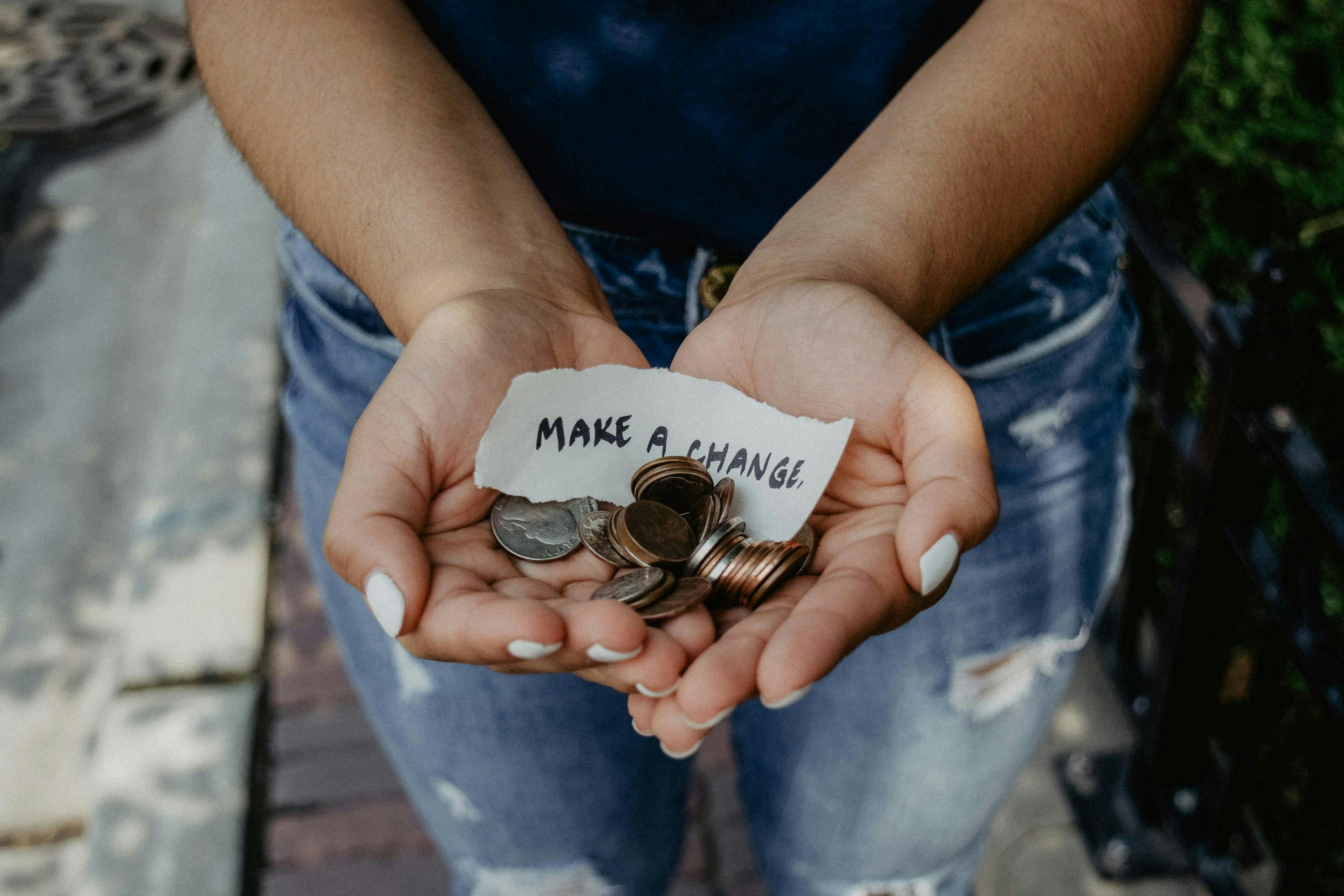
It’s about making choices. I chose to spend time with the family tonight rather than fall into the societal pressure to work every waking hour to get ahead. This can also mean making purchases that are more closely aligned to your desires, like experiences over things. It also involves setting boundaries with people and commitments to conserve your energy. You don’t take that meeting Saturday morning because then you’ll be too distracted and tired to enjoy camping with your family. Saying no, I am not working til midnight, I have a life.
Intentional living also asks you to be kinder to yourself. This usually means cultivating self-compassion and kind self-talk, treating yourself as a friend rather than the guy who isn't working enough hours, thinks sleep is for the weak, and gives all his time to his job, forsaking any real connections or a life outside the job.
Ultimately and intentional life isn’t about rigid plans or long to-do lists, but about a consistent commitment to creating a meaningful existence that feels true to you.
The 2026 Move
So, the new deal in 2026 is analog. Drop the screen time, see the world around you, speak in voices to each other rather than texting. When you’re sitting at a table with people, the focus is on the people, not on the phones. It’s pretty simple when you think about it, and maybe it's time has come.
So, what’s driving this new movement? We’ve already stated that it’s not about total rejection of technology; that’d be pretty damn near impossible right now. So what’s behind this new movement? How did we get here? Well, there are some things that have pushed a group, mostly millennials and Gen-Zers, into a world of exhaustion. They are experiencing digital and “AI slop” fatigue. The rise of too much AI-generated content, AI slop, has added to the sense that we have lost touch with reality and lowered the quality of online experiences. These factors are causing large swaths of people to seek more authentic experiences, and those happen offline.
Reclaiming attention span and protecting mental health are major factors in this movement. The movement seeks to take back time, focus, and mental well-being. One way this is simplified is by advocating for the end of doomscrolling to reduce stress and improve mental health.
This movement also emphasizes the appeal of tangible tactile hobbies. So instead of two-player games that are played with random strangers, the focus is now on analog activities that require focus and presence. This can include writing in physical journals, using paper day planners, reading actual printed books, playing board games with people in a room, or taking up hobbies like knitting or pottery that you cannot substitute with an app or a YouTube video. Being there, hands-on, in the room, with other humans. That’s the new focus.
There is also a welcoming of dumb phones. You know, the old-fashioned things we used to make calls on, not watch the world from? We’re talking basic phones with limited or no internet access. This partly stems from the desire to limit how much personal information is collected online and by small devices.
As we mentioned earlier, there is a desire for authenticity and permanence. Online, your stuff can be whisked into the cloud or lost forever. Analog offers a feeling of permanence. Handwritten letters, journal pages, and film photographs all of these feel more tangible and cause a deeper connection. You can add vinyl records, warmer tones, liner notes, and a deeper connection to the music and the artists to this list.
Many are looking back, being nostalgic or just wondering if technology has come too far, too fast, and is sapping the human side out of all we do. People are saying that 2026 is the new 2016. People are looking for what they call a more wholesome and less polished experience, rather than the clean edges and total control of online experiences.
How will Analog 2026 Affect Marketing and Branding?
If Analog 2026 really takes hold, marketing and branding will feel it first. Not because brands will suddenly abandon digital channels. They won’t. But because the rules people use to decide what deserves their attention are changing.
For years, marketing has been optimized for speed, scale, and frequency. More content. More posts. More impressions. More optimization. Faster turnaround. Cheaper production. The same logic that turned a long afternoon in a photographer’s studio into a ten-minute digital shoot in a cluttered garage.
And just like the headshots, it works. Technically. The content shows up. The metrics move. The system runs. But something has been missing, and people can feel it.
Analog 2026 signals a shift away from brands that feel mass-produced, automated, and frictionless in the wrong ways. The more content starts to feel like AI slop, the more people crave things that feel made, considered, and human. For branding, this means polish matters less than presence.
People are becoming more suspicious of perfectly optimized messaging. They are quicker to sense when something was generated, templated, or rushed out the door. They are more drawn to brands that show restraint. Brands that speak less, but mean more. Brands that feel like they took time. Analog doesn’t reward constant visibility. It rewards intentional visibility.
This could show up in many ways. Fewer campaigns, but deeper ones. Physical touchpoints that matter again. Print, packaging, events, handwritten elements, limited releases, things that don’t scale endlessly but create connection when they appear. Messaging that sounds like it came from a person, not a system trying to win an algorithm.
Even digitally, the impact will be felt. Long form over bite-sized. Thought over noise. A point of view over participation for participation’s sake. The brands that will struggle are the ones still chasing attention as if attention is infinite. The brands that will win are the ones that understand attention is now guarded, protected, and intentionally given.
In an analog-leaning world, marketing stops being about interruption and starts being about invitation.
The Takeaway
Analog 2026 isn’t a rejection of technology. It’s a rejection of carelessness. It’s a reminder that faster and cheaper aren't the same as better. That scale doesn’t automatically equal connection. That humans still respond to time, effort, and intention, whether they’re holding a handwritten letter or reading a brand’s website.
At ThoughtLab, this is the work we’ve always believed in. Building brands that don’t just show up everywhere, but show up with purpose. Brands that understand that how something is made is part of what it means. Brands that respect people’s attention instead of trying to extract it.
If the world really is moving back toward analog values, then branding’s job becomes simpler and harder at the same time.
Simpler, because the goal is clear. Make things that matter. Harder, because you can’t fake that. And maybe that’s the point.