

The mistake in all this is simple. We treat luxury like a collection of ingredients. Price, materials, square footage, prestige. Mix them in the right order, and you think you’ve created something elevated. But ingredients aren’t the meal. They never have been.
One look at my closet, my wardrobe, and you’ll know instantly that I am not a wealthy man. Sure, I can order some takeout a couple of times a month, and I have a handful of streaming channels, but I am so far from the world of luxury that, well, I don’t have an ending for this sentence. I am not living in the lap of luxury. I’m not even living in the guest room of luxury. Which meant that when I was directing an in-house video for a large company, and they told me that they were putting me up in a five-star luxury hotel for my five days of shooting, I was thrilled.
I envisioned a huge room with an ocean view, a giant bed, bellhops and a concierge at my beck and call, and amenities out the ying-yang. I pictured myself coming back to my room at the end of a day shooting and slipping into an impossibly thick robe, then stepping into a four-foot-deep, seven-foot-long bathtub, the front desk calling just to ask if I had a good day on set and me sipping champagne as I gazed at the original Rothkos that adorned the wall. What a glorious dream.
What a shocking reality.
The hotel was nice. NICE. The people were cold and distant, which, I guess, in the luxury world passes as professional. I suppose they cater so much to the rich and famous that they have a rule of not being too chummy; this wasn’t The Holiday Inn Express, after all. But the room was small, the view was a 7-11 parking lot, and the art was hotel art, the same stuff in my room was on the walls in the halls and the bathrooms. No one called me sir or Mr. Kiernan. But everyone I came in contact with had a moment of waiting for a tip. They didn’t have their hands out, but they lingered long enough to make me uncomfortable and feel my poverty hanging on me like a bad jean jacket.
I spent time in the hotel only sleeping, showering, and dressing. I was working, and that took all my time. Yet, I was deeply disappointed. Here I was at an actual luxury hotel, and it still felt like any other hotel I had stayed in on road trips or for work. It wasn’t bad. It was clean and comfortable, but I wanted luxury. Or, maybe I’m so dim, I missed the luxury, I don’t know.
I do know that it got me thinking about luxury brands. What does a brand have to do to be labeled luxury? How do they maintain that, and do some brands just pretend to be luxury and just put a snazzy label on the tiny bars of soap in the bathroom? I wanted to know what makes a brand a luxury brand.
Luxury is not created by price, rarity, or a long list of amenities. Luxury is created by intention. Authentic luxury is a feeling of being considered, understood, and cared for in a precise way. The best luxury brands engineer emotional elevation. The weak ones think cost alone can carry the weight.
What People Think Luxury Is
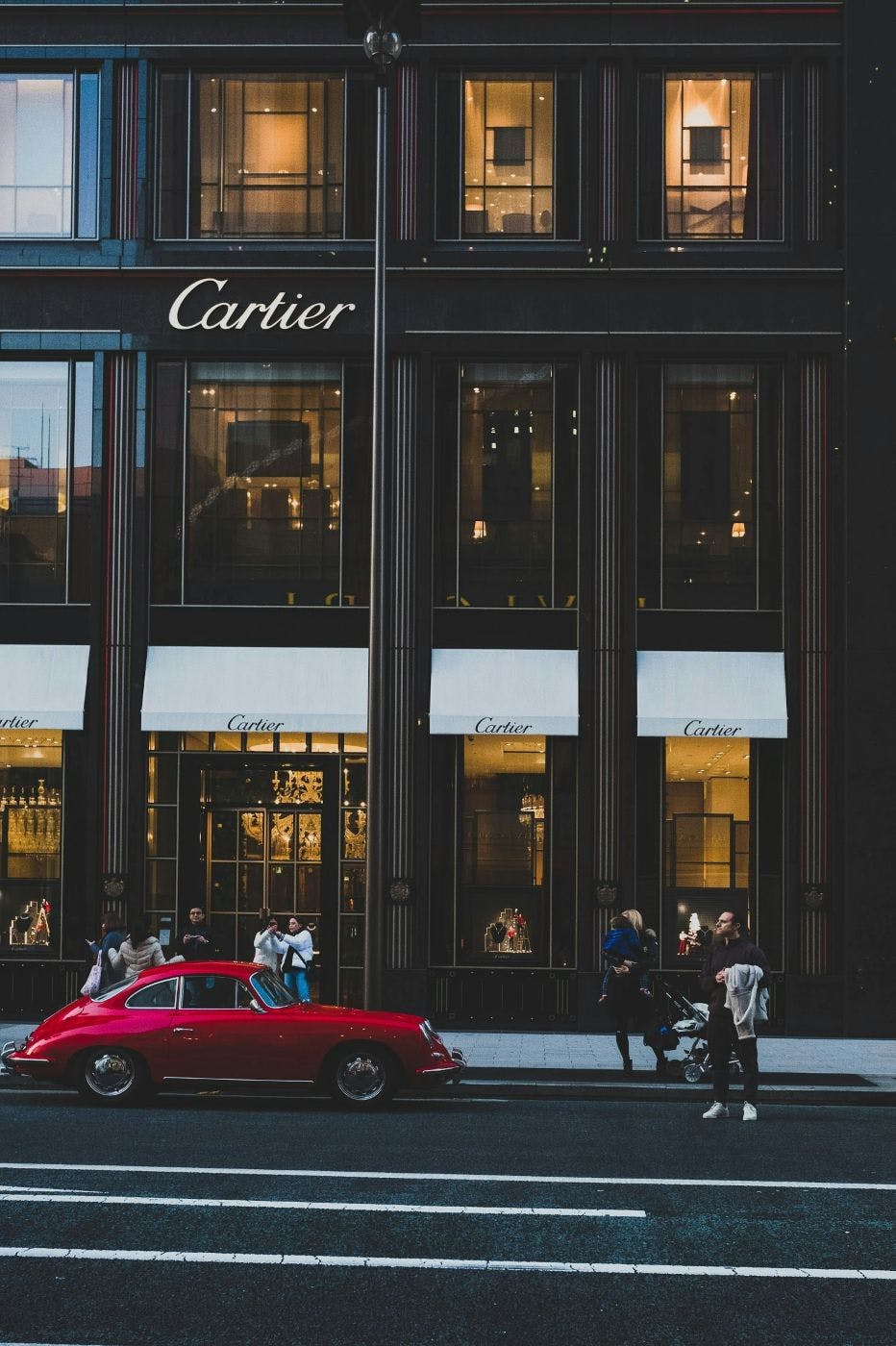
Most people talk about luxury the same way they talk about winning the lottery. The imagination jumps straight to price. Big numbers. Exclusive things behind glass. Rooms with ceilings so high you need a minute to find them. We turn luxury into a category where the only entry fee is money.
Ask someone what luxury looks like and they’ll point to marble floors and imported soaps. They’ll mention thread counts. They’ll talk about wood that was handcrafted somewhere with mist and mountains and a monk who sands each piece by hand. It becomes a catalog of features instead of an experience.
We also learn to treat size as its own kind of luxury. Big car. Big suite. Big meal. Big title. Big brand name printed on everything from the slippers to the fold on the toilet paper. As if the larger the shadow, the more impressive the person standing inside it must be.
Then there’s prestige, the quiet cousin in the corner. People assume luxury means being close to people who matter. The famous. The powerful. The people who don’t wait in lines. If you can afford to be near them, even for a weekend, then you must be part of that world. Or at least borrowing it.
The mistake in all this is simple. We treat luxury like a collection of ingredients. Price, materials, square footage, prestige. Mix them in the right order, and you think you’ve created something elevated. But ingredients aren’t the meal. They never have been.
What Luxury Actually Is
You don’t really notice real luxury at first. It slips in quietly, almost like it wants you to discover it on your own time. Nothing feels staged. Nothing feels forced. The experience just begins to unfold, and before long, you realize someone’s been thinking about you long before you arrived.
Luxury is intention. Not the decorative kind. Not the designer furniture or the curated scent in the hallway. It’s the intention baked into the experience itself. Someone pictured what your day would be like, where the small annoyances might show up, and then worked to remove them. Before you reach for a light switch, the room already feels right. Before you need a towel, it’s already where your hand naturally goes. You feel that someone cared enough to anticipate the quiet moments most brands overlook.
There’s a deeper emotional layer, too. True luxury makes you feel understood without needing to explain yourself. Nothing about it is loud. Nothing demands a performance from you. There’s simply a steady sense that your presence matters. Brands that can create that kind of ease build something rare. They build trust.
This is why real luxury feels so light. It removes friction. It clears mental space. It creates calm in a way that makes you breathe a little easier without knowing why. Plenty of brands chase convenience. Plenty chase quality. Luxury reaches for something else entirely. It reaches for peace.
Most fake luxury stops at the materials. They buy expensive things, wrap them in the right color palette, and assume that’s enough. It never is. Marble can only carry the experience so far. Velvet ropes and brushed brass don’t make someone feel cared for. They only make the room look expensive.
The real cost of luxury is invisible. It’s the time and thought that went into shaping the experience around the person, not the architecture. When that intention’s there, you feel it immediately. When it’s not, you can spend a fortune and still feel nothing at all.
Once you know that difference, it becomes impossible to confuse a nice place with a luxurious one.
The Difference Between Nice and Luxury
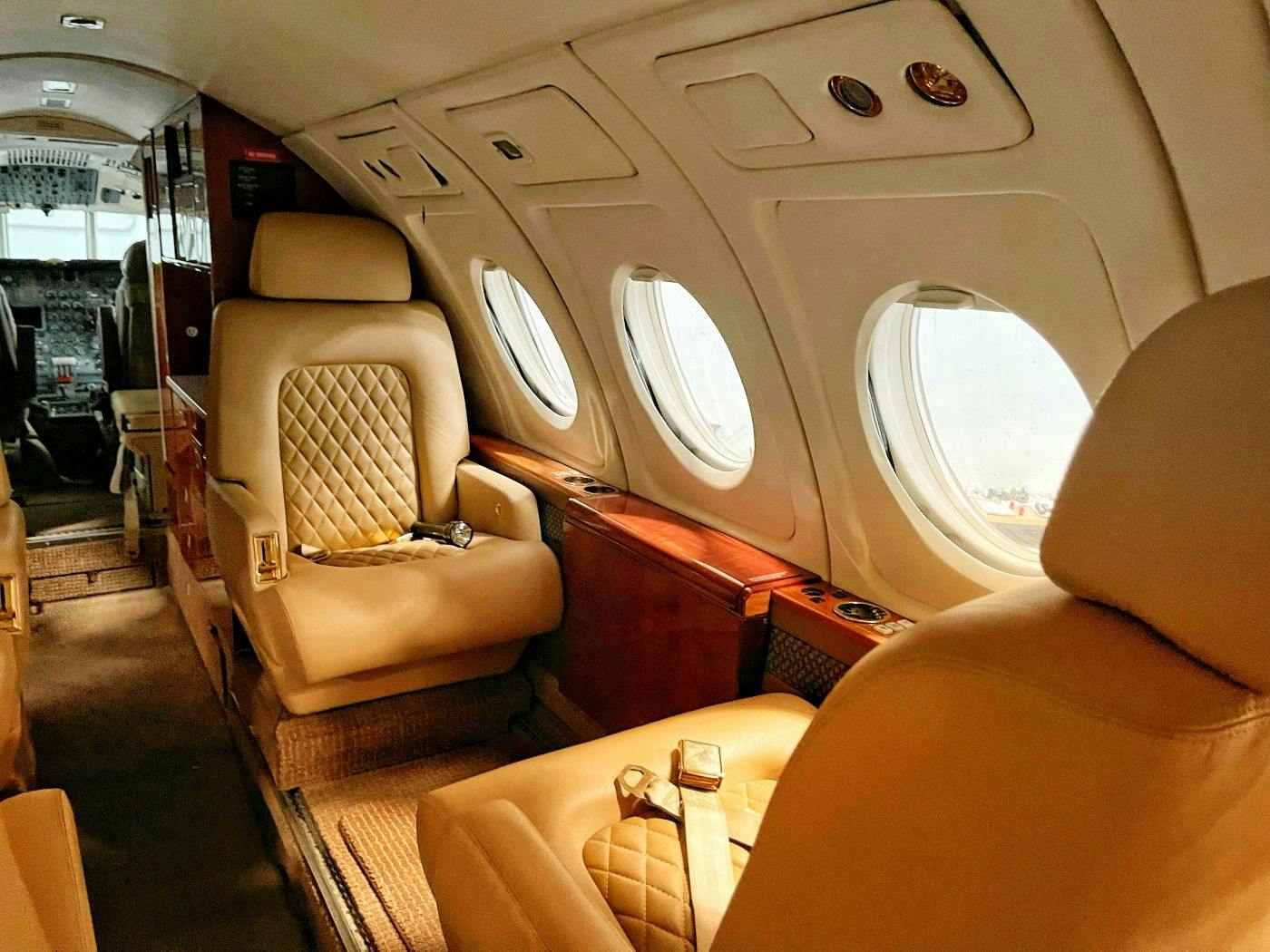
There’s nothing wrong with nice. Nice gets you checked in without a fuss. Nice gives you clean sheets and a TV remote that actually works. You know what you’re getting, which is why nice is everywhere. It’s the default setting for most brands. Safe. Predictable. Good enough.
Luxury lives in another neighborhood. You notice it before you even understand what tipped you off. Something in the room pays attention to you. The pace shifts. The space feels like it’s been prepared instead of simply cleaned. Nothing dramatic. Just small signals that someone cared about how you’d move through the next few hours.
Nice responds to you. It waits for you to ask for things. Luxury tries to stay one step ahead. Not in a showy way, just in quiet ways that keep friction out of the picture.
Most places that claim to be luxury are really polished versions of nice. Thick towels. Quiet hallways. A logo that borrows its confidence from someone else’s heritage. The surface feels elevated, but once you settle in, the experience is the same pattern you’ve lived through countless times in hotels, restaurants, airlines, and everything. Nothing about it changes you.
Real luxury is unmistakable because it affects your mood. It lowers your shoulders. It slows your breathing. It makes you feel considered. You can walk in tired and walk out lighter without knowing exactly why. That feeling is the real product.
Nice is service.
Luxury is care.
And you know it the moment you feel it.
The Architecture of True Luxury Experience
Real luxury starts before you ever see the room. It begins in the quiet decisions no one talks about. Someone sat down and mapped the moments a person goes through, the ones that usually feel rushed or awkward or clumsy, and worked backward from there. They planned the experience the way a good director plans a scene. Every movement matters, even if the audience never notices the choreography.
Take the moment you arrive. In most places, you walk in, look for the desk, figure out where the line starts, and hope you’re standing in the right spot. It’s a small thing, but it puts the responsibility on you. Luxury flips that. The environment tells you where to go without a word. The people in the room have already read your pace. They guide without steering. It feels natural because it’s intentional.
Luxury is built on small details that carry more weight than they seem to. Lighting that softens the room rather than flattening it. Sound that wraps around you instead of bouncing off hard walls. A chair that feels like it belongs to the space rather than being shoved there to fill it. These choices create a sense of calm you absorb without effort.
There’s also the question of consistency. Not repetition. Consistency. Everything you encounter feels like it belongs to the same thought. The materials match the mood. The tone matches the service. The environment matches the promise. When a brand gets this right, you never feel like you’re switching channels. You feel like the whole place is speaking in one voice.
Personalization is another part of the architecture, but not the kind that shouts your name from across the lobby. True luxury pays attention without making a scene. It notices what you gravitate toward and adjusts around you. It remembers the kind of coffee you ordered yesterday. It senses when you want help and when you want space. There’s no announcement about it. Just smoothness where there could’ve been friction.
And then there’s the rarest part of all. Emotional timing. The moment where the experience meets you exactly where you are. The hotel that welcomes you gently after a long travel day. The restaurant that slows the pace when you look tired. The brand that gives you a little extra room to breathe without turning it into a performance. These calibrated moments are the soul of luxury. You can’t fake them, and you can’t teach them with a checklist. They come from empathy.
Most faux luxury brands skip this architecture entirely. They decorate the surface and call it design. They confuse aesthetic with intention. They try to impress instead of trying to understand. That’s why their spaces feel hollow, even when they’re built beautifully. You can sense when something was created to be admired instead of lived in.
True luxury isn’t a place. It’s a feeling that’s been built, piece by piece, through choices you’ll never see but always feel.
Why Faux Luxury Fails
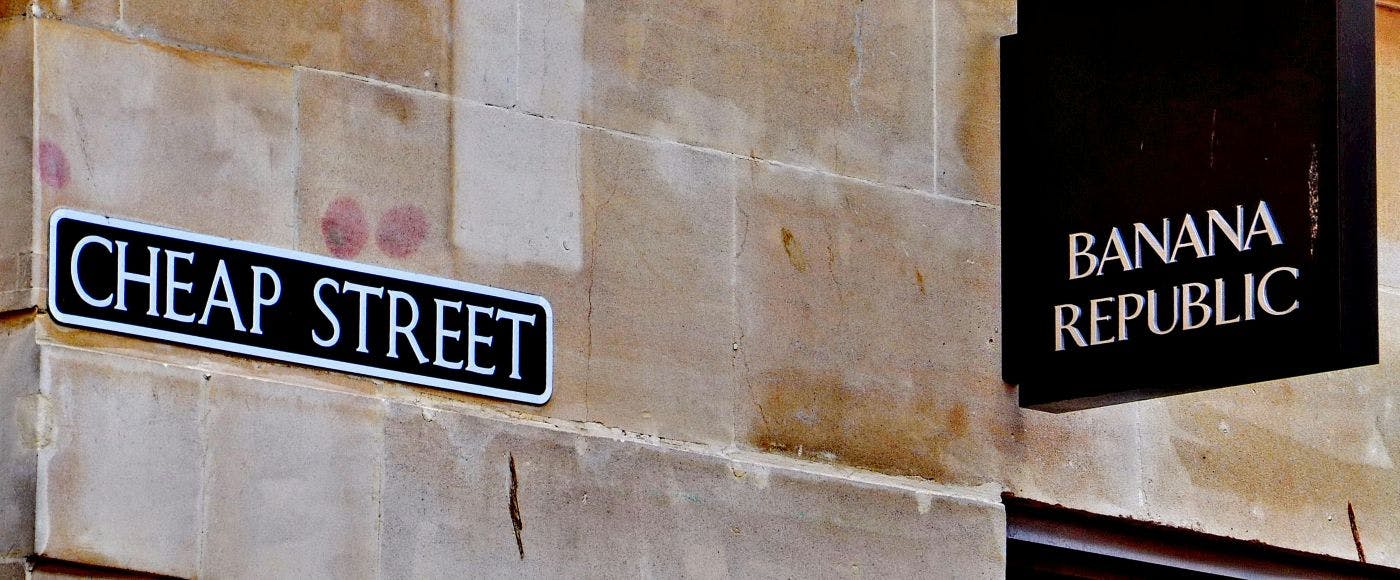
A lot of brands that lean on the word luxury are really just trying on the outfit. They mimic what they think luxury looks like. Softer colors. Heavy fabrics. A scent in the lobby that makes you wonder if you’re supposed to be smelling something meaningful. Someone clearly spent a lot of money, but not a lot of thought. It gives you the feeling of being in a place that studied luxury but never really understood it.
From a distance, the whole thing almost works. You see the polished marble and the dim lighting, and you think, alright, maybe this is something special. But once you step inside and start actually interacting with the place, the cracks show up. Nothing feels connected. Nothing feels considered. It’s a performance with no point to it.
Some places hide behind professionalism that’s so rigid it becomes cold. They think distance equals refinement. It doesn’t. Real refinement has warmth to it. A brand can be polished and still be human. Faux luxury forgets this and ends up feeling like a polite museum where everyone’s afraid to touch anything.
Exclusivity becomes another crutch. Faux luxury loves to build barriers. Special lines. Special entrances. Special keys. Real luxury doesn’t need any of that. It’s not trying to prove it belongs in the category. It simply does.
But the biggest problem is the lack of care. Not service. Care. The emotional intelligence that guides a person through a space. Without that, even the most expensive setting feels cold. You can decorate a room to perfection, but if the experience inside it doesn’t care about you, it might as well be empty.
People know when a place is pretending. They feel it. And once they feel it, the illusion breaks fast.
Examples of Real Luxury
You can talk about luxury in theory all day, but it only becomes clear when you see it in the wild. The real thing has a different feel to it. You can sense the intention right away, even if you don’t know what exactly created it.
Take Aman. People who stay at Aman properties come back talking about time, not décor. They talk about how their shoulders dropped the moment they stepped onto the property. Nothing’s rushed. Nothing’s loud. The staff reads situations with a kind of sensitivity you usually only see in people who’ve known you for years. It’s almost strange the first time it happens. They treat calm as part of the experience. You leave feeling like the whole place was designed around your nervous system.
Ritz-Carlton is a different kind of luxury, but the heart of it’s the same. Their rooms are fine, but that’s not the story. The story is how much trust they put in their staff. If a guest needs something, the person standing there can handle it without running up a ladder of approvals. That kind of permission creates a warmth no script can replicate. You feel looked after instead of managed.
Hermès lives in a world most of us will never enter, but the lesson’s valuable. They never push for attention. They don’t chase trends or shout for relevance. They make things slowly, with an almost stubborn sense of craft. The luxury comes from restraint. Nothing’s rushed. Nothing’s thrown into the world just to fill space. Their consistency becomes its own form of confidence, and you can feel that steadiness the moment you hold anything they make.
There’s also luxury that hides in plain sight. The Toyota Century is a great example. It’s not loud or flashy. Most people would walk right past it without a second glance. But inside that car, every small element’s been shaped with intention. The ride feels like someone smoothed the road before you arrived. Even the door has a softer sound when it closes. There’s a quiet dignity to it that tells you the brand focused on experience long before they thought about prestige.
You’ll find smaller flashes of true luxury in everyday places, too. Sometimes it shows up in a restaurant where the server notices you look worn out and slows things down without making a scene. Other times you’re in a shop, and someone changes the space around you in a way that feels almost invisible. They move something out of your reach or soften the light because they’re actually paying attention. These moments are tiny, but they land. They stay with you. They’re reminders that luxury is really just care delivered with better timing.
Across all these examples, the pattern is simple. None of the brands relies on price to carry the experience. They rely on depth. Real luxury pays attention. It removes friction. It creates ease. It focuses on how people feel, not how things look. That’s why it stands out while imitation blends together.
Why This Matters Beyond Hotels
Luxury isn’t really about hotels, or handbags, or cars. Those are just the easiest places to see it because the price tags are large and the expectations are even larger. But the real lesson sits underneath all that. Luxury is a study in how people experience value. Once you understand that, you start seeing it everywhere.
Most brands, even the ones far outside the luxury category, think value is created through features and benefits. A long list of things. Faster. Cheaper. More of this. Less of that. They try to earn loyalty through efficiency or scale, or clever messaging. That works until someone else offers the same thing for a little less. Then everything starts to wobble.
Luxury teaches you something different. It shows you that value’s emotional long before it’s logical. People notice how something makes them feel, even if they can’t put the feeling into words. They notice how easy or difficult you made their day. They notice when you respect their time. They notice when something feels thoughtful instead of transactional.
This is why brands outside the luxury world can learn more from Aman than from their closest competitors. It’s not about copying the aesthetic. It’s about understanding the architecture of care. How to remove friction. How to anticipate needs. How to design an experience that feels grounded and calm instead of chaotic and rushed.
Even in industries that don’t feel emotional, these ideas carry weight. A law firm can feel luxurious if they treat clarity as a service. A construction company can feel luxurious if they communicate in a way that removes stress instead of creating it. A tech company can feel luxurious if they focus on how the customer moves through the product, not just on the features they want to brag about.
The point’s simple. Luxury isn’t a category. It’s a behavior.
And when a brand adopts those behaviors, even just a few, people feel the difference. They respond to the difference. You don’t have to charge luxury prices or use luxury materials. You just have to care enough to shape an experience that feels intentional instead of accidental.
Most brands never reach that level because they’re too busy chasing trends or keeping up with competitors, or trying to impress people who aren’t even paying attention. Luxury brands move more slowly. They think deeper. They design from the inside out.
And once you see that approach clearly, it becomes obvious why some brands stay unforgettable while others disappear as soon as the campaign ends.
Closing the Loop
When I think back to that week in the five-star hotel, what stays with me isn’t the room or the view or the polite nods from the staff. What I remember is the absence. The missing piece I didn’t have language for at the time.
The place had everything I imagined luxury would include. The robe. The lighting. The quiet hallways. The decor that wants you to believe you’re living a more refined version of your own life. On paper, it probably checked every box the industry uses to justify the word luxury.
But the experience felt empty. Nothing wrapped around me. Nothing softened the edges of the day. Nothing made me feel considered. I was in a place with all the ingredients, but none of the care. It felt like staying in a very expensive outline.
It took me a while to understand what bothered me so much. I wondered if I’d missed something. Maybe I was too busy working. Maybe I didn’t know how to recognize luxury when it was right in front of me. But the more I’ve seen and the more I’ve paid attention, the clearer it became.
Luxury isn’t the thing. It’s the feeling.
And that hotel had everything except the part that mattered most.
It was nice. Perfectly, politely nice. But not once did it feel like someone thought about my day beyond the basics. It never made my life easier or calmer, or more comfortable. It never reached past the surface.
Which is why the whole experience faded as fast as it did. There was nothing to hold on to. Nothing meaningful. Nothing changed the way I felt. Once I left the room, I left the memory too.
And that’s the difference. Real luxury stays with you. Faux luxury disappears.
The takeaway
Luxury isn’t a look. It isn’t a price point. It isn’t a collection of fancy materials arranged in a quiet room. Luxury is care made visible. Its intention you can feel without anyone having to point it out.
That hotel taught me the difference the hard way. I expected comfort and got a costume. And once you see the gap between the surface and the substance, you start noticing it everywhere.
At ThoughtLab, we work with brands that take that difference seriously. Some of them live in the luxury world. Some don’t. The category doesn’t matter. The mindset does. The brands that win are the ones that treat experience as the real product. They slow down. They think deeper. They build moments people remember instead of details people forget.
Whether you’re selling suites, software, construction expertise, or a pair of shoes, the principle stays the same. If you want to feel elevated, you have to elevate the person you serve.
That’s luxury. And any brand can build it if they’re willing to do the work beneath the surface.