
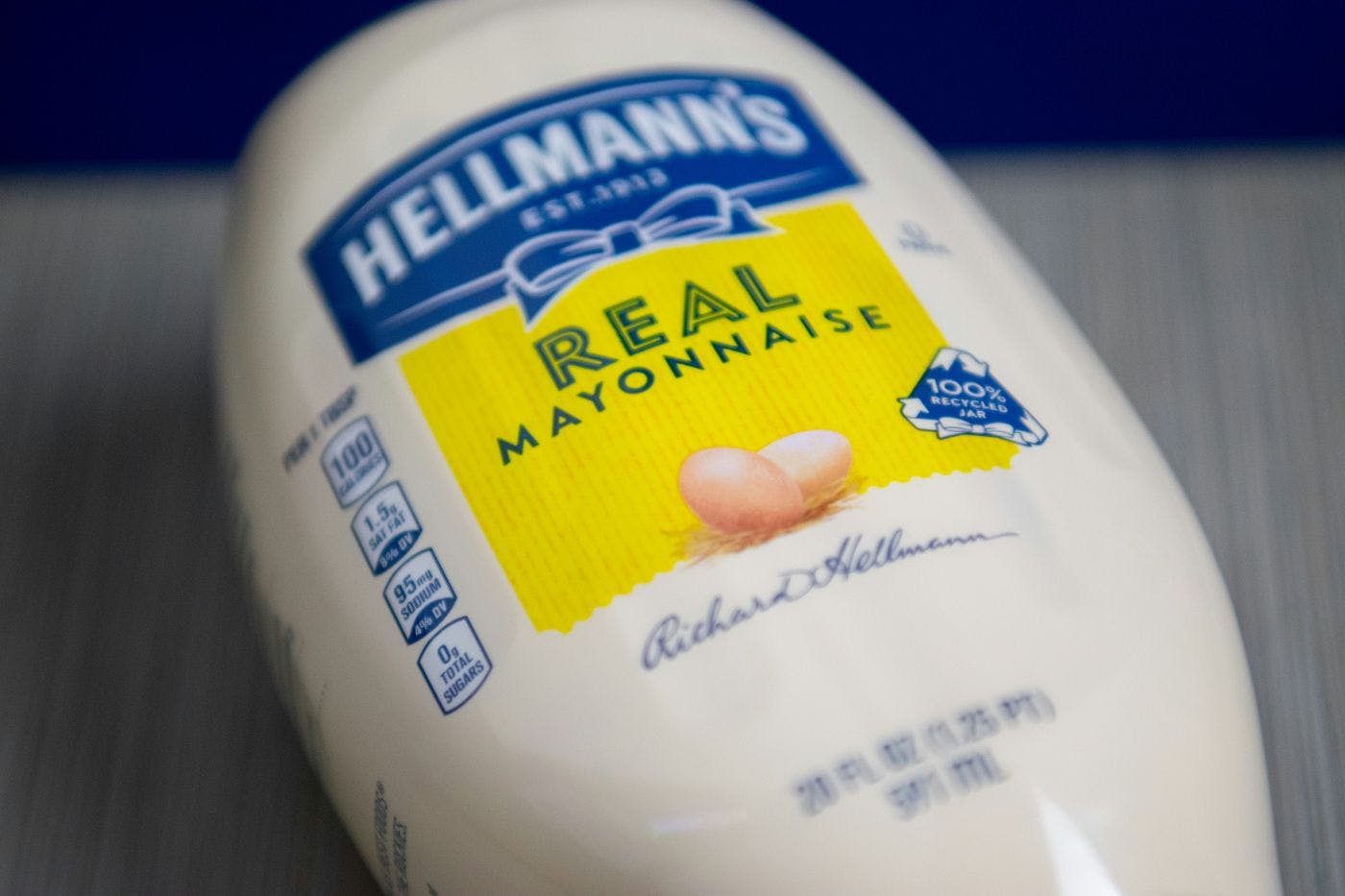
I skipped, as ninety percent of the population does, reading the excessively long, impossible-to-understand terms and conditions of my new phone. For that, I spent a year in hard labor on a mayonnaise farm somewhere in the bowels of America.
My day was very long and extremely busy. I was running here and there, answering phone calls, writing blogs, and auditioning for a show. Every minute of my day was blocked and busy.
By evening, I came home too tired to make dinner. All I wanted to do was slip into bed and play with my new phone.
Now, I have, from time to time, railed against the evils of technology. I have talked about the reality that social media is actually anti-social, that screens aren’t human faces, and that you need more human faces in your life. I’ve done all that. And yet, there is nothing quite as exciting as seeing all the fun things a new phone can do. So that’s what I was doing.
The room was a bit cold. I was hunkered down under the covers, fighting sleep as I changed the colors, backgrounds, and screen savers on my new phone.
It was a special combination of my body being exhausted, my mind fighting like mad not to fall asleep, and the warmth of the covers pulling me ever so slowly into Morpheus’ den. Sleep was coming fast. Eventually, I put the phone on the bedside table and gave in.
That’s when it happened.
There I was, in that hypnagogic state, when a horde of men and women in suits broke down my front door and burst into my room. Before I could shake the sleep out of my head, they pulled me from the bed, threw a jumpsuit at me, and told me to dress.
They didn’t even leave the room.
I stood there, humiliated in my footy pajamas, as these strangers watched me put on a green jumpsuit. When I finally got my bearings, I asked what was going on.
One of them picked up my new phone from the bedside table, shoved it in my face, and growled, “You signed the contract. Did you read the fine print?”
Before I could answer, a bag smelling like an Italian sandwich was pulled over my head. I was dragged outside, tossed into the back of a van, and we sped away.
As I was being thrown around in the back of the van, I started thinking: Does anyone actually read the terms of a contract? Why would anyone read those terms?
I was about to find out.
Eventually, I was pushed out of the van and into a long line of people. We all wore the same green jumpsuits. Everyone looked confused. Eyes darting around the vast room we were now in.
I asked the guy in front of me what was going on.
He said, “Did you read the terms of the contract?”
I told him I hadn’t.
He glanced around the room, leaned in, and whispered, “None of us did.”
I was given a number. A small room with a bed. A clock radio.
Every morning for one year, I was woken at five and sent to work on a mayonnaise farm, jarring and labeling the creamy substance. We broke for lunch, then went back into the mayo fields. Dinner. Shower. Sleep. Repeat. Every day.
After one year, I was once again bagged, tossed into a van, and deposited in front of my apartment. I stood there on the sidewalk, confused, trying to understand what came next. That’s when a lovely woman in a long black coat stepped up to me. She put her face close to mine and whispered, “Next time, read the terms.” Then she jumped into the van, and it sped away.
From that moment forward, I read the terms of any new device, tool, or gadget I purchased.
True story. True to life.
I skipped, as ninety percent of the population does, reading the excessively long, impossible-to-understand terms and conditions of my new phone. For that, I spent a year in hard labor on a mayonnaise farm somewhere in the bowels of America. When the year was over, I had to rebuild my life and start anew. No one told me. No one warned me. I did what I assumed everyone else did.
I clicked yes and thought all was well.

The Behavior, Not the Phone
The phone isn’t really the point. It just happened to be there when my day finally ran out.
That’s when most agreements get made. Not in a conference room with a clear head and a strong cup of coffee, but at the end of a long chain of small decisions. After the calls. After the errands. After the part of the day when you’re technically still awake but no longer interested in doing anything difficult.
By the time I was under the covers, the decision wasn’t whether to read the terms. The decision was whether I was done for the day. I was.
We like to believe we’re the kind of people who read things carefully. And sometimes we are. But most of the time, we’re the kind of people who want things to work. We trust that if something were truly dangerous, someone would have stopped it. We trust that if millions of other people have clicked the same button, the worst that can happen is mild inconvenience.
No one clicks “Agree” expecting a year on a mayonnaise farm.
Skipping the fine print isn’t reckless. It’s practical. It’s what you do when effort feels more expensive than risk. The reward is immediate. The cost is abstract. One is right in front of you. The other lives somewhere in the future, written in a language that looks like English but doesn’t behave like it.
The terms are long for a reason. Length discourages reading. Density creates authority. If it were meant to be understood, it wouldn’t require this much stamina.
And notice when they show up. Not at the beginning, when you’re alert. Not at a natural pause. They appear at the exact moment when you’re closest to what you want. When stopping would feel annoying. When clicking feels like progress. That’s not a trap. It’s a system that understands people.
Over time, clicking stops feeling like consent and starts feeling like momentum. Click to continue. Click to proceed. Click to be done. Eventually, your hand moves before your brain finishes the sentence.
This doesn’t just happen with phones. It happens everywhere. We skim emails and hope we caught the important part. We nod through explanations because asking questions would slow things down. We sign things because everyone else already has. We live in a world that rewards forward motion and treats pause like a malfunction.
When consequences show up later, they always feel disconnected from the moment we agreed. The click happened weeks ago. The context is gone. All that remains is the outcome, which now feels wildly out of proportion to what we thought we were saying yes to.
You didn’t think you were agreeing to this. You thought you were agreeing to something small. Something reasonable. Something that wouldn’t end with a woman in a black coat whispering life advice on the sidewalk.
Technically, the system is right. You agreed.
But that technicality hides something important. Most people aren’t making informed decisions. They’re making tired ones. And systems that rely on tired consent aren’t neutral. They’re counting on exactly that moment under the covers, when clarity feels optional and clicking feels like relief.
That’s the behavior. The phone just happened to be the messenger.

Where Brands Hide the Mayonnaise Farm
This is the part where it starts to sound familiar. Brands don’t have fine print in the legal sense. At least not most of them. What they have is something sneakier. They have brand fine print. The stuff that technically exists, but only if you go looking for it. The parts that explain what you’re really agreeing to are buried just deep enough that no one encounters them accidentally.
Mission statements are a good example. They’re usually earnest, well-intentioned, and completely useless in practice. They sound important. They feel official. They tell you what the company believes in, right up until the moment you actually need to know how the company behaves. Then they evaporate.
Values pages do the same thing. They promise things like transparency, partnership, and innovation, which is comforting in the way hotel art is comforting. Pleasant. Inoffensive. Impossible to argue with. Also impossible to apply to a real situation without additional interpretation.
None of this is malicious. That’s what makes it interesting. Most brands aren’t trying to deceive anyone. They’re just doing what systems do when clarity feels expensive. They push the hard truths somewhere else. Into a deck. Into a document. Into a slide no customer will ever see.
The result is a kind of brand agreement that feels fine on the surface and confusing underneath. You think you’re signing up for one thing, and then, slowly, you realize you’ve enrolled in something else entirely. Not a mayonnaise farm, exactly. More like a lifetime subscription to vague disappointment.
This is where brands start to sound like contracts.
Everything is technically there. The positioning is written down. The strategy exists. The rationale has been approved. But none of it shows up where it matters most, which is in the moment someone is deciding whether to trust you.
Instead, brands assume attention, patience, and that people will connect the dots. They assume the customer will do the work of interpretation. That assumption is the brand version of clicking “Agree” and hoping for the best.
What customers actually experience is simpler. They skim. They infer. They make a judgment based on tone, design, and the general feeling of competence. They decide whether this seems safe, understandable, and worth the effort. That decision happens fast. Much faster than any brand deck anticipates.
If the truth of your brand only reveals itself after effort, most people will never find it. Not because they don’t care, but because caring requires energy. And energy is already being spent elsewhere. This is where trust quietly erodes.
Not with outrage. Not with dramatic exits. With confusion. With small moments where expectations don’t line up. With the slow realization that the thing you thought you were getting and the thing you’re actually getting are not the same.
Brands are often surprised by this. They point to the website, messaging, or the carefully crafted language. They say it’s all there. Which is true. Technically. But “technically” is not how trust works. Trust is built when people don’t have to work to understand you. When the important parts are obvious, and the experience matches the promise without requiring a glossary or a follow-up call.
When brands hide behind complexity, even accidentally, they end up doing the same thing those contracts do. They rely on momentum, on goodwill, and they rely on the fact that most people won’t stop long enough to interrogate what’s really being offered. Until they do. And when that moment comes, when the customer finally realizes where they’ve landed, the response sounds eerily familiar.
You agreed.
At that point, it doesn’t matter how true that is. The damage has already been done. The gap between expectations and reality has opened, and no amount of documentation will close it. That’s the brand mayonnaise farm. Not catastrophic. Just exhausting. Just disappointing enough to make leaving feel tempting and staying feel resigned.
And just like the phone, the brand will insist it behaved exactly as designed.
The Cost Nobody Budgets For
The thing about the mayonnaise farm is that it isn’t dramatic enough to be a scandal. No one’s outraged. No one’s calling the news. You’re just tired, confused, and slightly embarrassed that you ended up there in the first place. Which is exactly why it works as a metaphor. Most brand failures don’t explode. They sag.
The cost shows up slowly. In extra steps, clarifying emails, in support tickets that shouldn’t exist, and in meetings that begin with, “Just to level set…” It also shows up in customers asking questions they assumed had already been answered somewhere.
From the brand side, this all feels manageable. Individually, these moments seem small. Reasonable, even. Of course, someone has a question. Of course, there’s a little friction. Of course, expectations need to be reset occasionally. But from the other side, it adds up.
Every extra explanation asks for energy. Every workaround requires patience. Every mismatch between promise and experience quietly withdraws from the trust account. No single moment is enough to make someone leave, but together they create a low-grade exhaustion that’s hard to ignore.
This is where people stop recommending you. Not angrily. Casually. They don’t warn their friends. They just don’t mention you. When asked, they hesitate for half a second too long. They say things like, “It’s fine,” which is never a compliment.
Brands often misread this stage. They assume the relationship is stable because no one is complaining. But silence isn’t satisfaction. It’s fatigue. It’s the feeling that raising a hand would take more effort than it’s worth.
That’s the real cost of clarity arriving late. You don’t lose people loudly. You lose them quietly, in the spaces where they stop caring enough to engage. By the time someone finally leaves, the decision feels obvious to them. They’ve been mentally packing for months. From the brand’s perspective, it feels sudden and unfair. From the customer’s perspective, it feels overdue.
No one thinks of this as punishment. It doesn’t feel like justice or consequence. It just feels like time wasted. Time spent figuring things out that should have been obvious. Time spent adapting to something that was sold as simple.
That’s the year on the mayonnaise farm. Not suffering. Just labor. Repetitive, avoidable labor.

What Respect Actually Looks Like
Respect doesn’t announce itself. It doesn’t show up as a value on a wall or a sentence that everyone agreed sounded good. It shows up much earlier than that, usually before anyone realizes a decision is even being made.
You feel it when you don’t have to work to understand what’s in front of you. When nothing important is hiding off to the side. When there isn’t a later moment where you realize the real version of the thing you agreed to is different from the one you pictured at the start.
Most brands don’t set out to confuse people. They’re just trying to keep things moving. They want fewer questions, fewer pauses, fewer reasons for someone to hesitate. Smoothness feels like success. Friction feels like failure. But hesitation isn’t the problem. Confusion is.
When clarity is delayed in the name of momentum, the cost doesn’t disappear. It just shows up later, when expectations are already formed and harder to undo. That’s when people start rereading. Asking follow-up questions. Trying to reconcile what they thought they were getting with what they now have. Respect means not relying on that moment.
It means assuming people are tired, they’re skimming, and deciding between this and ten other things competing for their attention. It means designing for reality rather than the ideal customer who reads carefully, thinks slowly, and always has the energy to dig deeper.
When a brand gets this right, it doesn’t feel impressive. It feels calm. Nothing jumps out. Nothing needs defending. People know where they are and what they’ve stepped into. There’s no surprise later that requires explanation.
That kind of clarity isn’t accidental. Someone chose not to hide behind complexity. Someone decided that being understood mattered more than sounding sophisticated, and they resisted the urge to save the hard parts for later.
If someone skimmed your brand the way I skimmed those terms, where would they end up? Not where you hope. Not where your strategy deck says they should. Where would they actually land? If the answer feels uncomfortable, there’s probably a mayonnaise farm hidden somewhere you’ve been calling clarity. And that’s a good thing to find out now, before anyone has to put on the jumpsuit.
The Part Where Nothing Is Explained
I wish I could tell you that reading the terms fixed everything. I became more responsible. More vigilant. That I never clicked anything again without a full and thoughtful review. What actually happened is simpler. I just became more suspicious of smoothness.
Anytime something feels effortless in a way that skips orientation, I slow down. Anytime clarity seems postponed, I assume there’s a reason. Anytime I’m asked to trust before I understand, I notice the order of operations. That doesn’t make me smarter. It just makes me less surprised later.
The uncomfortable truth is that most systems don’t need your enthusiasm. They just need your exhaustion. They don’t need you to believe. They just need you to move forward without stopping long enough to ask what forward actually means. Brands are no different.
You don’t lose trust when people disagree with you. You lose it when people realize they agreed to something they didn’t recognize. You lose it when clarity shows up after commitment, when the explanation comes too late to matter. Nobody wants to end up somewhere strange, wondering how they got there.
If the only way your brand makes sense is after someone has already bought in, already signed on, already committed time, money, or reputation, then the problem isn’t the audience. It’s the order. The mayonnaise farm isn’t punishment. It’s just the cost of finding out late. And the real question isn’t whether people should read more carefully. It’s why so many things still depend on them not doing that.
The Takeaway
Most brands don’t fail because people disagree with them. They fail because people end up somewhere they didn’t expect, doing work they didn’t know they signed up for. The trust breaks quietly, not in protest, but in fatigue.
At ThoughtLab, this is the part we focus on. Not the slogans. Not the decks. The moment where someone skims, decides, and moves on. Because that’s where the real agreement happens, whether a brand planned for it or not.
If clarity only shows up after commitment, it’s already too late. If understanding requires effort most people don’t have, it won’t happen. And if a brand depends on fine print behavior to work, it’s building trust on exhaustion.
The goal isn’t to make people read more carefully. It’s to make brands honest enough that they don’t have to.
Before anyone ends up on the mayonnaise farm.