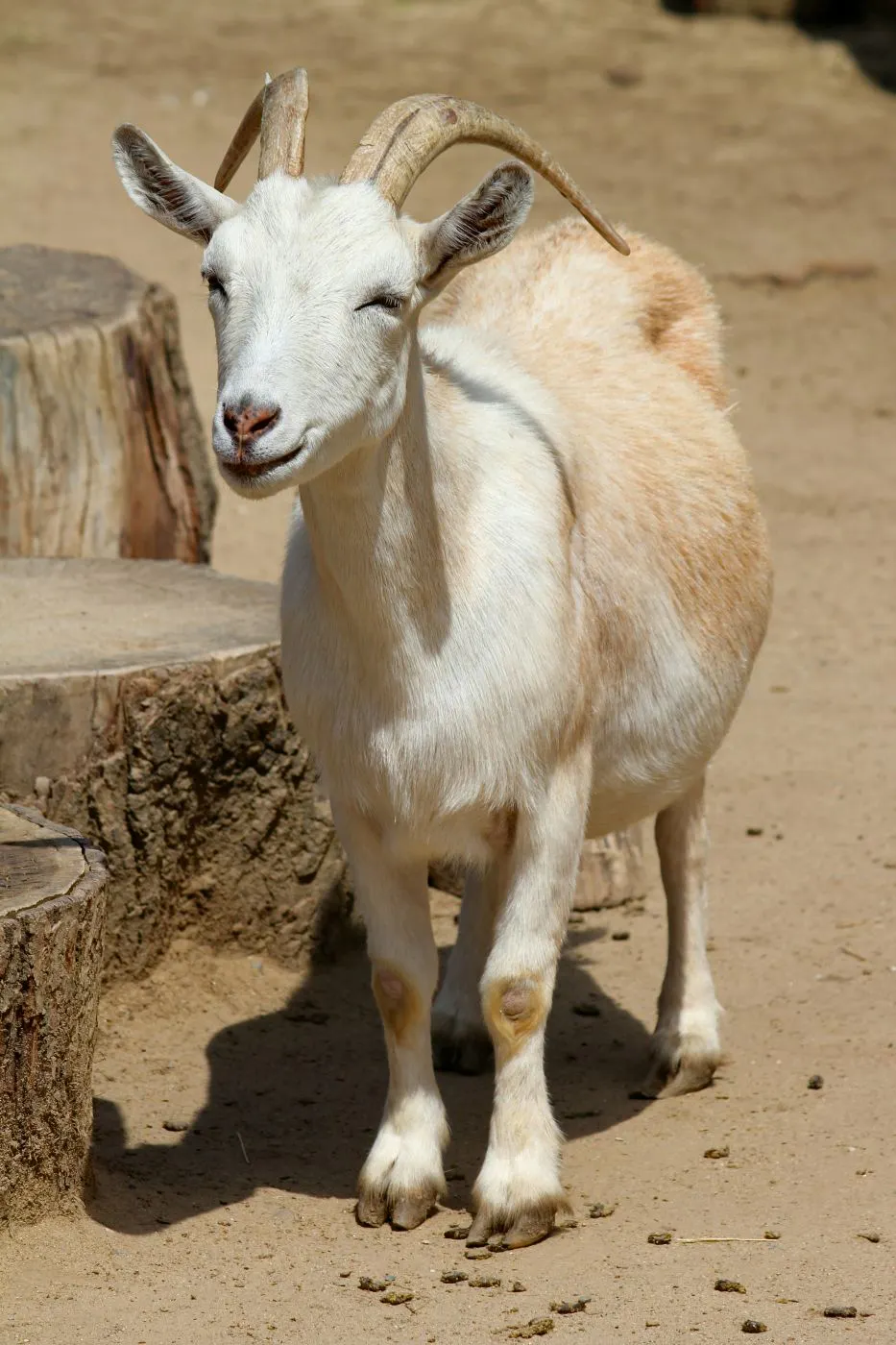
The five-legged goat works because it wasn't hidden, apologized for, or quietly corrected. It was allowed to remain visible. That's the part I can't stop thinking about, because Disney isn't some scrappy little brand still figuring out who it is. Disney is Disney. It's one of the most controlled, polished, operationally obsessed brands on earth.
In the Contemporary Hotel at Disney World in Florida, there's a mural in the lobby that extends all the way up to the ceiling. It's Native American art, and it's lovely. A keen observer will notice that in one of the images, there's a five-legged goat. This is no mistake. It's a calculated addition because, in the tradition behind the piece, there is no perfection. Perfection angers the gods, so a perfect image is rarely seen.
That beautiful mural isn't marred by the goat. It's made more special because somewhere in that painted world, there roams a five-legged goat. It's not just an imperfection; it's a call for the imagination to decide why this goat might have five legs. Why did the artist decide this was the imperfection that would be showcased in this work of art? It's pretty cool. I was first clued in to the goat by a tour guide, who pointed it out because of its meaning and the joy it brings. No one is hiding it. No one is saying, "Let's redo this portion of the mural." It's seen, acknowledged, and celebrated.
A note before this goes any further. The teaching behind that goat, that perfection angers the gods, belongs to a tradition that isn't mine. I'm working from what a tour guide told me and a memory of looking up at a mural. The part I can speak to honestly is what happened to the goat after the artist finished it. Whether it got to stay. Whether a brand had the nerve to leave it alone.
Yes, that's right, all you tech folks. An imperfection within a giant company like Disney is out in the open, highlighted, and discussed on tours. Disney dares to be imperfect. Publicly imperfect. And I love that. I love the mural, the reasoning behind it, and I love, love, love, down into my dark, spongy soul, the celebration of imperfection.
The goat is not the problem
The easy thing would've been to fix the goat. Somewhere along the line, someone could've looked up at the mural, pointed to that extra leg, and said, "Hey, I think this goat has a little too much goat going on." Then a very serious little meeting could've happened. There might've been a clipboard. There might've been a follow-up email. There might've been a sentence like, "We just want to make sure the artwork reflects the standards of the Disney experience." And then, poof. Goodbye, goat.
That's what most brands would do. Most brands have been trained to panic at anything that looks like it might need explaining. If a detail makes someone pause, the instinct is to smooth it out. If something feels odd, the instinct is to sand it down. If there's a chance someone might ask a question, the instinct is to remove it before it's asked.
This is usually called consistency. Sometimes it's called quality control, or protecting the brand. And yes, sometimes those things matter. I'm not arguing for sloppy work, broken systems, or a website where the contact form leads to a haunted printer in the basement. But a lot of what gets called brand polish is really fear with a nicer haircut.
The five-legged goat works because it wasn't hidden, apologized for, or quietly corrected. It was allowed to remain visible. That's the part I can't stop thinking about, because Disney isn't some scrappy little brand still figuring out who it is. Disney is Disney. It's one of the most controlled, polished, operationally obsessed brands on earth. This is a company that understands illusion, detail, experience, and emotional engineering at a level most brands can only dream about.
And still, there's the goat, right there in the lobby, with five legs, being pointed out on tours.
Disney could have fixed it
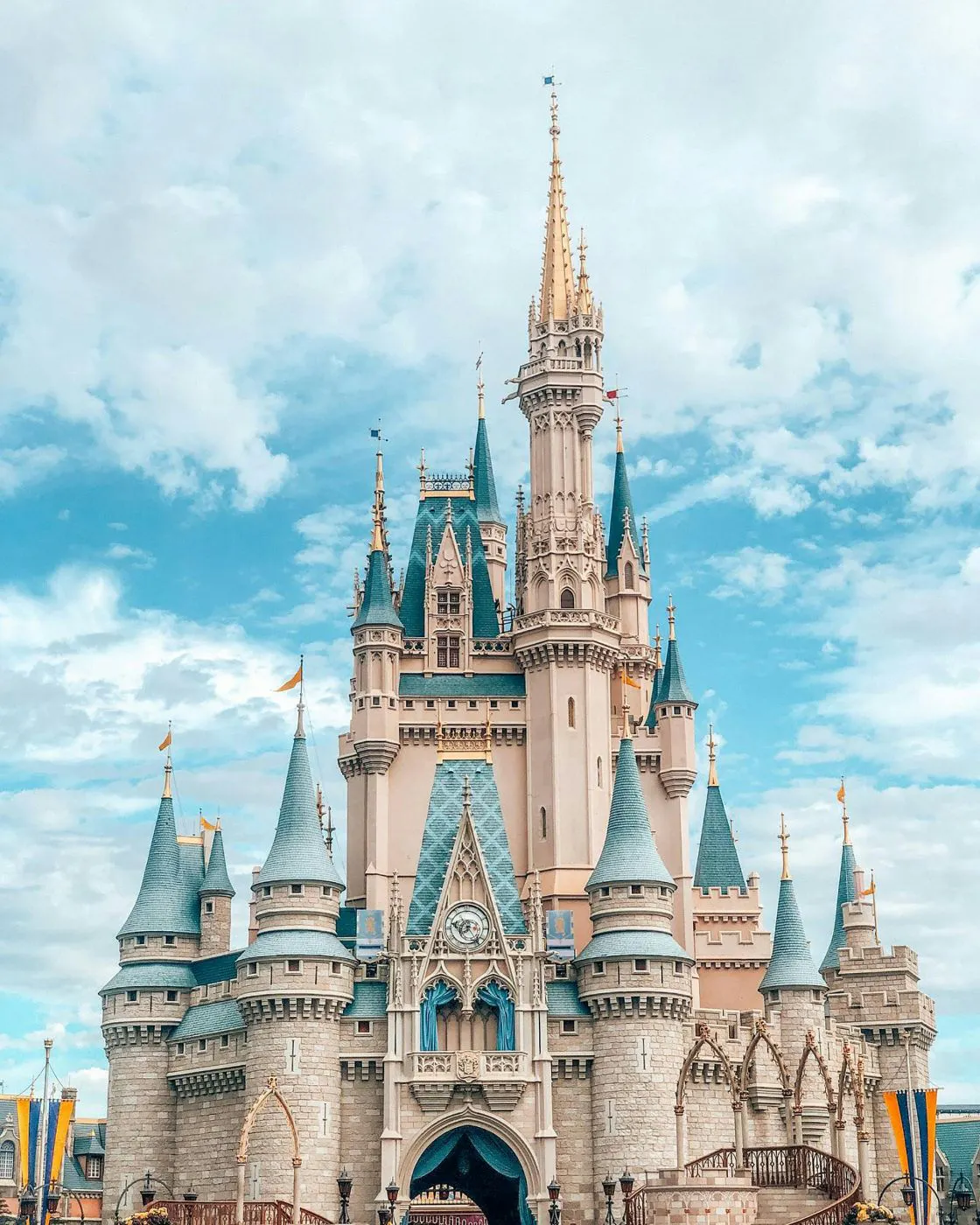
That's what makes the whole thing so strange and wonderful to me. Disney could have fixed it. Of course, they could have fixed it. Disney can make a trash can appear exactly where your hand wants one before your brain even knows you're looking for it. Disney can move thousands of people through a park, feed them, thrill them, sell them a sweatshirt, make them cry at fireworks, and somehow convince them that standing in line for ninety minutes is part of the magic. This is not a company wandering around hoping the vibe works out.
Disney understands control, understands polish. Disney understands how a tiny detail can either protect the illusion or break it. That's why the goat matters. It's not sitting in some forgotten hallway where no one goes unless they're looking for an ice machine and questioning their life choices. It's in the lobby. It's part of the experience. It's right there, high above everyone, included in the visual world of the hotel, and somebody, somewhere, decided to leave it alone.
That choice feels small until you think about how many choices inside companies go the other way. How many interesting details get edited out because they're hard to explain? How many strong opinions get softened because they might not be for everyone, or strange, specific, memorable things get turned into something cleaner, safer, and less alive? The goat could've become a problem to solve. Instead, it became a story to tell.
That's the part brands miss all the time. They think the goal is to remove every wrinkle, every oddity, every little bit of texture that might slow someone down. They think the cleanest version is always the strongest version. But sometimes the thing that doesn't quite fit is the thing that gives people something to remember. Sometimes the extra leg is doing more work than the four normal ones.
I'm not saying every mistake is secretly genius. Some goats are not sacred; they're just goats with paperwork issues. But this isn't that. This was intentional, meaningful, and visible. Disney didn't protect the mural by making it perfect. Disney protected what made it worth talking about.
The tour guide is the tell
The part that really gets me is the tour guide. The goat being there is wonderful, but the tour guide pointing it out changes everything. That means the imperfection isn't just being tolerated. It isn't something Disney hopes people miss. It's part of the story now. Someone is walking guests through this carefully designed, carefully controlled space and saying, in effect, "Look up. See that? Let me tell you why it matters."
That's a different kind of brand confidence. It's one thing to have a strange detail buried somewhere in the background. It's another thing to call attention to it. Disney isn't whispering about the goat in some internal art preservation memo that only three people have read, and one of them has retired. Disney is narrating the goat. Disney is giving the goat a little stage time and trusting guests to understand that the thing that looks wrong is actually part of what makes the piece right.
Most brands would struggle with that. They might keep the goat if someone made a strong enough case for it, but they'd probably explain it in a way that took all the life out of it. There would be approved language. There would be a safe version, or some sentence like, "The mural contains culturally significant artistic variations designed to reflect historic craft traditions." That may be accurate, but it also sounds like it was written by a committee trapped in a beige conference room with no windows and a dying fern.
The tour guide version is better because it feels alive. It lets the imperfection become an invitation. You notice it, you learn something, you remember it, and then you tell somebody else. That's the whole game right there. Not every brand detail has to become a story, but the ones that can become stories should not be strangled on the way to approval.
That's why the goat keeps working long after you leave the hotel. You don't remember it because it was perfect. You remember it because it made you look twice. You remember it because someone cared enough to explain it. You remember it because, in a world where brands are constantly trying to appear spotless, this one let the odd little thing remain odd.
Polish is often fear in a nice outfit
This is where the goat stops being only a goat, which I realize is a strange sentence to type, but here we are. The goat becomes a way of looking at how brands behave when they're afraid. Because a lot of brands don't ruin themselves by being reckless. They ruin themselves by being too careful. They smooth everything. They soften everything and take the odd little edge that made something memorable and sand it down until it can sit comfortably in a strategy deck without making anyone sweat.
And the language around this always sounds responsible. Nobody says, "Let's make this less interesting." Nobody says, "Let's remove the part people might remember,” or "Let's make sure we sound like every other company in our category, only with slightly better punctuation." They say the brand needs to feel more elevated. They say the idea needs to be more ownable, which somehow often means less specific. They say the tone should be more consistent, which can be useful until consistency becomes a very polite way of making sure nothing surprising ever happens.
That's the danger. Polish can be useful. Clarity matters. Craft matters. Editing matters. But when polish becomes the highest value, something living gets lost. The sentence gets cleaner, but less true. The design gets safer, but less ownable. The campaign gets easier to approve, but harder to remember. Everyone in the room nods because nothing feels wrong, and that's exactly the problem. Nothing feels like much of anything.
Perfect is impressive, but it's not always memorable. Sometimes, perfect just slides right past us because there's nothing to grab. It's smooth. It's polished. It behaves exactly the way it's supposed to behave, and then it disappears into the giant mental junk drawer where all the acceptable things go to nap forever.
The five-legged goat doesn't do that. It gives people a small mystery. It makes the mural participatory. You don't just look at it and move on. You look, you notice, you wonder, you ask. That's a rare and valuable thing. In a world full of brands begging for attention with louder colors, bigger claims, and more desperate little bursts of enthusiasm, here is this quiet goat doing better work than most campaigns.
Your brand probably has a goat
This is the uncomfortable part, because it's easy to admire Disney's goat from a safe distance. It's charming over there. It's delightful over there. It's a wonderful little story when it belongs to somebody else. But most brands have some version of that goat, and the minute it shows up in their own work, everyone gets nervous.
It might not look like an imperfection at first. It might look like a founder who talks in a way no brand guide would ever recommend, but somehow everybody listens when they speak. It might look like a product feature that's a little odd, but loved by the people who actually use it. It might look like a sentence that feels too direct, too strange, or too human to survive the approval process. It might be the thing someone says in a meeting right before the room gets quiet because, for one dangerous second, the brand actually sounded like itself.
That's usually when the fixing begins. Someone wants to make it cleaner, more scalable, or less weird, less sharp, less likely to invite a question. And again, they probably don't think they're doing damage. They think they're protecting the work, helping the brand feel more professional. They think they're making it easier for everyone to understand.
But easier is not always better. Sometimes easier means forgettable. Sometimes clearer just means flatter, and sometimes the thing being "fixed" is the only thing in the room with any blood in it.
This happens all the time in brand work. A company comes in with some real texture, some actual history, some strange little truth about who they are and why they matter. Then the process gets hold of it. The edges get cleaned. The language gets elevated. The voice gets made consistent. The little living thing gets dressed up until it looks presentable and says absolutely nothing anyone would repeat to another human being.
The trick is knowing the difference between a flaw that hurts the brand and a flaw that reveals it. That's not always simple. Some things really do need to be cleaned up. Some confusion really does need to go away. Some ideas are not brave; they're just undercooked and wearing sunglasses. But some of what gets called mess is actually personality. Some of what gets called risk is actually specificity. Some of what gets called too much is exactly enough.
So the question is worth asking before the cleanup crew arrives. What's your five-legged goat? What's the odd, specific, memorable thing inside your brand that people keep trying to smooth out? And who, exactly, is trying to fix it before anyone gets the chance to love it?
The Takeaway
The lesson here is not that brands should intentionally chase imperfection. Please don't do that. The world does not need a room full of people trying to engineer a charming flaw while someone in the corner says, "What if our goat had six legs?" That's not courage. That's theater, and not the good kind with lighting and snacks.
The lesson is that some imperfections carry meaning, and when they do, they should not be treated like problems just because they make people pause. The pause may be the point. The question may be the invitation. What seems strange may be what makes the whole experience stay with someone long after the polished parts have faded.
Disney understood that. Or at least, someone inside Disney understood it enough to let the goat remain visible. They didn't bury it. They didn't apologize for it. They didn't turn it into a bland little footnote. They allowed it to be seen, discussed, and remembered.
That's the move most brands miss. Not noise. Not rebellion for its own sake. Not trying to look different because the strategy deck said differentiation seventeen times. The move is to let the meaningful thing stay, even when someone, somewhere, might ask why it's there.
At ThoughtLab, that's the work we keep coming back to: helping companies recognize the strange, specific, memorable things they already have, and keep them alive through every round of polish that would otherwise sand them down. The five-legged goat reminds us that perfection isn't always the goal. Sometimes the thing that makes people look twice is also the thing that makes them care.
So before you fix the odd little thing in your brand, make sure it's actually broken. Sometimes it's the goat. Sometimes it's the story.